
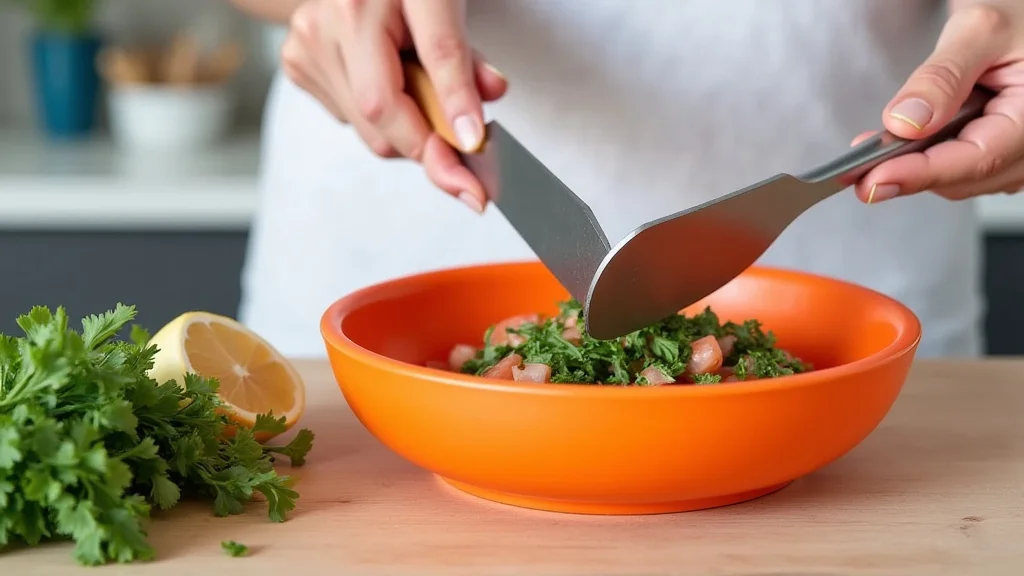
Picture this: you’re whipping up a delicious meal, and your spatula starts melting onto your hot pan. Disaster! This common kitchen mishap highlights the importance of choosing the right tools. When it comes to cooking, the material your utensils are made from matters. We’ll explore why food grade silicone utensils are becoming a kitchen staple and how they can improve your cooking experience. By the end of this article, you’ll know what to look for, the benefits they offer, and how to keep them in top shape. You’ll gain a thorough knowledge of these kitchen essentials, helping you make informed decisions and enhancing your culinary adventures, which will help keep your Time on Page high and reduce your Bounce Rate.
Key Takeaways
- Food grade silicone utensils are safe and heat-resistant, making them ideal for cooking.
- They are non-stick and easy to clean, simplifying your cooking and cleanup routine.
- Silicone utensils are versatile and come in a wide range of shapes and sizes.
- Choosing the right set ensures durability and avoids the risks associated with other materials.
- Proper care extends the life of your food grade silicone utensils.
Why Choose Food Grade Silicone Utensils?
Cooking at home should be a joy, not a chore. The tools you use play a big role in making that happen. Think about your wooden spoon that’s seen better days, or your plastic spatula that’s warped from the heat. These issues can make cooking harder and less enjoyable. That’s where food grade silicone utensils come in. These are designed to make cooking easier and safer, offering several advantages over traditional kitchen tools.
Safety and Heat Resistance
One of the main reasons to select food grade silicone utensils is their safety. Unlike some plastics, silicone is inert. This means it doesn’t react with food or release chemicals when heated. It can withstand high temperatures without melting or warping. The heat resistance of food grade silicone utensils makes them safe for use in hot pans, ovens, and even microwaves. This is a huge benefit over some other materials that can release harmful substances into your food when heated.
- High Temperature Tolerance: Food grade silicone can typically handle temperatures up to 400-500°F (200-260°C).
- Chemical Inertness: Silicone doesn’t react with acidic, alkaline, or oily foods.
- Odorless and Tasteless: Silicone won’t absorb or transfer flavors or smells to your food.
Consider a situation where you’re making a sauce. With a silicone spatula, you can confidently stir the sauce without worrying about it melting or releasing harmful chemicals. You have peace of mind that your food will be safe. This safety benefit is especially important for families with young children or anyone who prioritizes health-conscious cooking.
Non-Stick and Gentle on Cookware
Do you get frustrated when your spatula sticks to the pan? Food grade silicone utensils are naturally non-stick, which makes them perfect for cooking delicate foods like eggs or fish. They also won’t scratch your expensive non-stick cookware. The flexible nature of silicone allows it to glide smoothly around surfaces, preventing food from sticking and making it much easier to clean.
- Smooth Surfaces: Their non-stick nature means food slides off easily.
- No Scratching: Silicone is gentle on non-stick surfaces, preserving your cookware.
- Easy Food Release: Prevents food from breaking apart when flipping or stirring.
Imagine flipping pancakes or omelets with ease, knowing your utensil won’t scratch your pan. This gentle touch also helps preserve the finish of your pots and pans, extending their lifespan. For instance, if you regularly cook with non-stick pans, using silicone utensils will help keep their non-stick coating intact for longer. Non-stick cookware can become damaged with metal utensils, making this a great option.
Advantages of Using Food Grade Silicone Utensils
Beyond safety and non-stick properties, food grade silicone utensils offer a range of advantages that make them a popular choice for home cooks. They are designed for convenience, ease of use, and durability, ultimately enhancing your cooking experience.
Durability and Longevity
One of the biggest benefits of silicone utensils is their long lifespan. They are made to withstand regular use and high temperatures, outlasting many other materials. This durability makes them a good investment, saving you money in the long run by reducing the need for frequent
- Resistant to Wear and Tear: Silicone doesn’t degrade easily from heat or cold.
- Long-Lasting Investment: They typically last much longer than plastic or wooden utensils.
- Flexible and Strong: Holds its shape and function over time, unlike plastic.
In a busy kitchen, utensils go through a lot. A wooden spoon might eventually splinter, or a plastic spatula could break. Silicone, however, holds up. Imagine having the same set of utensils for years without having to replace them. The initial investment in quality silicone tools is usually offset by their longevity. Their durability means less waste and a lower environmental impact, too.
Cleaning and Maintenance
No one enjoys spending extra time cleaning up after cooking. Food grade silicone utensils are incredibly easy to clean. You can usually wash them by hand with soap and water or toss them in the dishwasher. Their non-porous surface prevents food from sticking, making cleaning a breeze. Proper care and maintenance keeps them looking and performing their best, allowing you to focus on cooking.
- Dishwasher Safe: Most silicone utensils can go in the dishwasher.
- Easy to Wash: Food doesn’t stick, so cleaning is simple.
- Stain Resistant: Silicone doesn’t easily stain, even with tomato-based sauces.
Think about the effort saved compared to scrubbing a wooden spoon that’s absorbed food particles or trying to remove stains from a plastic spatula. With silicone, a simple wash is usually enough. For example, if you frequently cook with garlic or other strongly flavored ingredients, silicone won’t absorb those odors. This makes your cleaning process quicker and more efficient. Also, the ability to put them in the dishwasher saves time.
Choosing the Right Food Grade Silicone Utensils
Not all silicone utensils are created equal. You should look for several key features. Quality matters when selecting food grade silicone utensils to ensure safety, durability, and effectiveness. The right choice is based on the quality of silicone used, the utensil’s design, and the overall usability in your kitchen.
Materials and Quality
The most important factor is the type of silicone used. Make sure to choose utensils made of 100% food grade silicone. This means they are free from BPA, phthalates, and other harmful chemicals. High-quality silicone is also thicker and more flexible, which provides better performance and durability. Always look for certifications from reputable organizations, such as the FDA (Food and Drug Administration), to ensure the product meets safety standards.
- 100% Food Grade Silicone: Essential for safety and non-toxicity.
- BPA Free: Ensures no harmful chemicals leach into your food.
- Proper Certification: Look for FDA or other relevant certifications.
One key tip: check the temperature range that the utensil can handle. Some low-quality silicone might only withstand low heat. High-quality products should handle high temperatures without any problem. Always read product descriptions and reviews to make sure you’re getting a safe and effective product. When you’re buying food grade silicone utensils, you are prioritizing health.
Design and Usability
Consider the design of the utensils to fit your cooking style and needs. A comfortable handle is essential for ease of use. The shape of the utensil will influence how it performs. Different types of utensils are best suited for different tasks. For example, a spatula with a thin edge is ideal for flipping delicate foods. A spoon with a deep bowl is perfect for stirring sauces.
- Handle Comfort: Choose handles that are easy to grip.
- Shape and Function: Select utensils suitable for your cooking styles.
- Size and Variety: Consider having a set that meets various cooking needs.
Evaluate your existing cookware. If you have a lot of non-stick pans, you’ll want utensils designed for those surfaces. Consider a set that includes various tools like a spatula, spoon, whisk, and tongs. Consider the size of your kitchen and storage space. Also, the number of utensils needed. The right combination of design elements will make your cooking more efficient.
Features and Additions
Some utensils include extra features. Some come with hanging loops for easy storage. Others have flexible edges for scraping bowls clean. There might also be a core of stainless steel or other material inside the handle for extra strength and stability. These additions can boost both convenience and performance.
- Hanging Loops: For easy storage and access.
- Internal Cores: Stainless steel cores for added strength.
- Heat Resistance: Make sure the product’s heat resistance meets your needs.
For example, a spatula with a thin, flexible edge can be excellent for scraping every last bit of batter from a mixing bowl. A spoon with a long handle is great for stirring deep pots without your hand getting too close to the heat. Consider your kitchen storage and how you like to organize your tools. These added features and designs will make your cooking experience better. These will streamline the way you cook and help you get the most out of your food grade silicone utensils.
Caring for Your Food Grade Silicone Utensils
Proper care of your food grade silicone utensils will extend their lifespan and ensure they continue to perform well. Following some simple guidelines will keep them in top condition for years. This will not only preserve their functionality but also their appearance. These tools are designed to last. With a little care, they will become your best cooking friends for years to come.
Cleaning and Storage
Cleaning is straightforward, but some practices will help keep your utensils in excellent condition. Always wash them after use. If you choose to use the dishwasher, place them away from direct heat sources. Store them in a dry place to prevent mold and mildew. Proper storage keeps them safe and helps them last longer. Following these tips ensures that they are ready for action whenever you are.
- Wash After Every Use: Simple soap and water cleaning.
- Dishwasher Guidelines: Place away from high heat.
- Dry Storage: Prevents mold and mildew buildup.
Avoid using abrasive cleaners or scrubbing pads, as they can damage the surface of the silicone. If food stains or odors persist, soak the utensils in a solution of baking soda and water. Make sure they are thoroughly dry before storing. Consider where you will store them. Hanging them on a utensil rack keeps them accessible and organized. Proper cleaning and storage are key to maintaining their quality.
Preventing Damage
While silicone is very durable, certain things can cause damage. Avoid cutting directly on the utensils with sharp knives, as this can easily slice or tear the material. Excessive heat over extended periods may affect the utensil’s lifespan. Also, don’t leave them in direct sunlight. Following these simple steps will help keep them in perfect condition. They’ll also ensure they remain a reliable part of your cooking setup.
- Avoid Sharp Objects: Use separate cutting boards.
- Limit High Heat Exposure: Follow heat guidelines.
- Protect from Direct Sunlight: Prevent fading and degradation.
If you notice any signs of wear, such as cracks or discoloration, it might be time to
Cleaning Tips for Food Grade Silicone Utensils
You can keep your utensils in great condition with some simple cleaning tips. These tips will help you eliminate stubborn stains and odors. This allows you to cook with confidence and enjoy using your food grade silicone utensils day after day.
- Baking Soda Soak: For stains or odors, soak utensils in a baking soda and water paste before washing.
- Lemon Juice Rinse: Lemon juice cuts through grease and helps remove odors.
- Vinegar Cleaning: For tougher stains, soak utensils in a vinegar and water solution.
Common Myths Debunked
Myth 1: Silicone utensils are all the same quality.
In reality, the quality of silicone utensils varies greatly. Not all silicone is created equal. Some may contain fillers or additives that impact their safety and performance. Only 100% food grade silicone is safe. Also, look for certifications to ensure a high quality of product. It’s important to choose products from reputable brands.
Myth 2: Silicone utensils can’t be used in the oven.
Many people believe silicone cannot be used in ovens. That isn’t true. Most food grade silicone utensils are heat-resistant. Many can withstand oven temperatures. Always check the specific product’s heat resistance before putting it in the oven. Ensure you follow the manufacturer’s instructions. This will prevent damage and keep your utensils functional.
Myth 3: Silicone utensils are prone to melting.
While it is true that low-quality silicone might melt, well-made food grade silicone utensils have high heat resistance. They can withstand temperatures up to 500°F (260°C). If you choose a high-quality product, you’ll rarely encounter this problem. However, avoid leaving them on a hot stovetop or in direct contact with a flame.
Myth 4: Silicone utensils absorb odors.
Silicone is actually non-porous. This means it doesn’t easily absorb odors. While some odors can stick, proper cleaning with baking soda or lemon juice usually removes them. Silicone is much less likely to retain odors compared to materials like wood. This is why it remains a favorite for cooks.
Myth 5: Silicone is not environmentally friendly.
Silicone is more eco-friendly than plastic. Unlike plastic, silicone doesn’t break down into microplastics. It also withstands extreme temperatures. It doesn’t release harmful chemicals. Silicone lasts longer than other materials. Its durability reduces waste. When considering the environment, choose food grade silicone utensils.
Frequently Asked Questions
Question: Are silicone utensils safe to use?
Answer: Yes, food grade silicone utensils are safe to use. They are made from non-toxic materials, do not react with food, and are heat-resistant. This makes them a great choice for cooking.
Question: Can I put silicone utensils in the dishwasher?
Answer: Yes, most silicone utensils are dishwasher safe. Check the manufacturer’s instructions to confirm. Placing them on the top rack is generally best.
Question: How do I remove stains from silicone utensils?
Answer: For stains, try soaking the utensils in a mixture of baking soda and water or lemon juice. You may also be able to wash them as normal after soaking.
Question: Do silicone utensils melt?
Answer: High-quality silicone utensils can withstand high temperatures. They shouldn’t melt under normal cooking conditions. Avoid leaving them in direct contact with a flame or on a very hot surface.
Question: Are silicone utensils better than wood or plastic?
Answer: Silicone utensils are often better than wood or plastic because they are more durable. They are also heat-resistant, easy to clean, and non-stick, which makes cooking easier and safer.
Final Thoughts
Choosing the right kitchen tools can significantly improve your cooking experience. Food grade silicone utensils stand out for their safety, durability, and ease of use. From their heat-resistant qualities to their non-stick surfaces, they simplify both cooking and cleaning. With the ability to withstand high temperatures and their compatibility with various cookware types, silicone utensils are well-suited for diverse culinary tasks. Proper care, including correct cleaning and storage, can extend their life and maintain their functionality, making them a wise investment for any kitchen. Embrace the benefits of food grade silicone utensils to transform your cooking routine and enjoy a more enjoyable experience. Consider upgrading your tools to make your cooking adventures even more successful.