
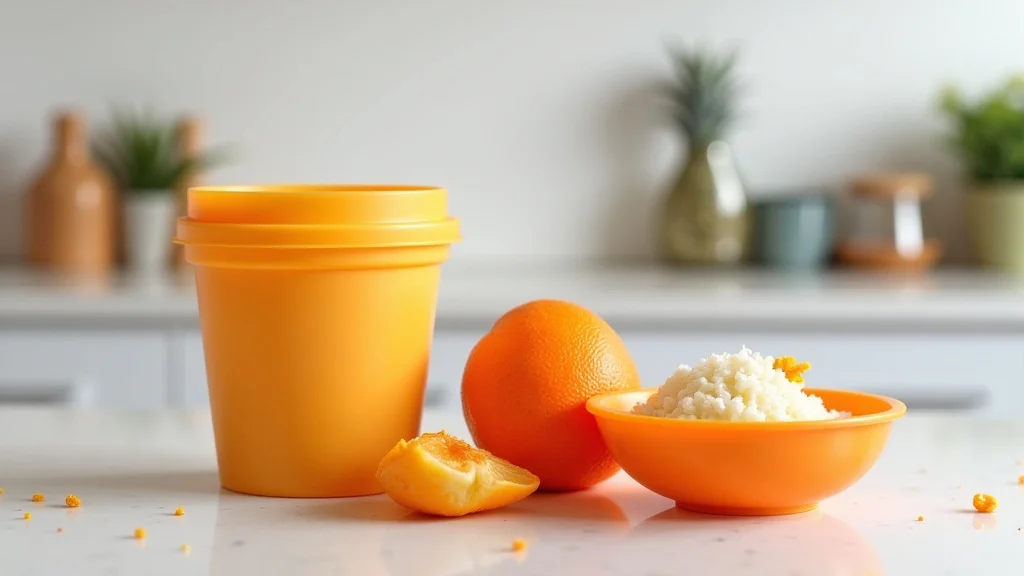
Picture this: you’ve lovingly prepared a batch of pureed sweet potatoes for your little one, but now you need a safe and convenient way to store it. You want something that’s easy to clean, durable, and won’t leach harmful chemicals. This is where amazon silicone baby food storage solutions come into play! This guide will explore the best options available, ensuring you can feed your baby nutritious meals while keeping your kitchen organized. You’ll gain insights into the advantages of silicone, how to choose the right containers, and tips for safe food storage. This will save you time and provide peace of mind.
Key Takeaways
- Learn about the benefits of using silicone for amazon silicone baby food storage.
- Discover different types of silicone containers and their unique features.
- Understand how to properly clean and sanitize silicone food storage.
- Get tips on choosing the best containers based on your baby’s needs.
- Find out how to safely freeze and thaw baby food in silicone containers.
- Explore the safety standards and certifications to look for when shopping.
Choosing the Best Amazon Silicone Baby Food Storage
The journey of parenthood involves countless decisions, especially when it comes to your child’s nutrition. Selecting the right amazon silicone baby food storage is a significant step in ensuring your baby’s food remains fresh, safe, and easily accessible. Silicone’s inherent properties make it a superior choice compared to other materials like plastic or glass. It offers flexibility, durability, and a non-toxic surface, making it perfect for storing baby food. Let’s explore the key aspects to consider when choosing the best options.
The Advantages of Silicone Containers
Silicone has gained popularity among parents due to several significant advantages over traditional baby food storage options. It’s a versatile material that offers a range of benefits tailored to baby food storage. Silicone containers are flexible, allowing for easy removal of frozen food portions, reducing the risk of breakage. They are also incredibly durable, withstanding extreme temperatures from freezer to microwave. Unlike plastic, silicone doesn’t leach chemicals into the food, ensuring your baby’s meals are safe. Silicone is naturally resistant to bacteria, making it easy to sanitize, and it can also withstand repeated use, making it cost-effective in the long run.
- Non-Toxic and Safe: Silicone is made from silica (sand), making it a non-toxic material that doesn’t leach harmful chemicals like BPA, phthalates, or PVC. This is crucial for baby food storage to protect your child’s health.
- Durable and Long-Lasting: Silicone containers can withstand repeated use and are designed to last. Their flexibility prevents cracking or breaking, unlike glass or some plastics. This durability makes silicone a practical choice for long-term use, even as your baby grows.
- Flexible and Easy to Use: The flexibility of silicone is a key benefit, particularly for removing frozen food. Unlike rigid containers, silicone allows you to easily pop out individual portions of baby food without any forceful handling.
- Easy to Clean: Silicone is non-stick, making it incredibly simple to clean. Food residue doesn’t cling to the surface as it might with other materials. You can easily handwash them, or they can be placed in the dishwasher for added convenience.
Silicone is inert, meaning it doesn’t react with food or release any unwanted substances. This characteristic ensures that your baby’s food remains pure and uncontaminated. Many silicone baby food storage containers are certified by organizations like the FDA, ensuring they meet the highest safety standards and are safe for food contact.
Silicone’s resilience to temperature extremes means it can safely be used in the freezer, microwave, and dishwasher. This feature contributes to its longevity and overall value. The ability to endure these conditions without degrading ensures that silicone containers maintain their shape and functionality for years.
This flexibility also means silicone containers are often easier to store. They can be compressed and take up less space, making them a good option for small kitchens or when you’re traveling. Their ability to mold to different shapes also adds to their ease of use, making them a favorite among parents.
The smooth surface of silicone also prevents bacteria and mold from sticking, which helps maintain hygiene. Most silicone containers are also stain-resistant, so you don’t have to worry about discoloration from foods like carrots or beets. This easy-to-clean property makes them a practical choice for busy parents.
Types of Amazon Silicone Baby Food Storage
The world of amazon silicone baby food storage offers various options tailored to different needs and preferences. Whether you prefer freezer-safe trays, stackable containers, or portioned pouches, there is a design suited to your style. Understanding these types will help you find the ideal storage solution for your baby’s meals.
- Freezer Trays with Individual Portions: These are ideal for making and freezing larger batches of baby food. The trays usually have multiple compartments, each holding a single serving of food.
- Stackable Containers: Stackable containers are designed to be space-saving and organized. They often come in sets of different sizes, allowing you to store a variety of baby food portions.
- Reusable Pouches: Reusable pouches are designed for storing purees and smoothies, perfect for older babies who are used to pouches. They are often made of soft silicone material, making them safe and comfortable for your baby.
- Multi-Compartment Containers: These containers offer multiple compartments within a single unit, which is helpful when feeding your baby a variety of foods. They can hold multiple types of food in a single place.
Freezer trays often come with lids to protect the food from freezer burn and contamination. The individual portions make it easy to thaw only the amount needed for each meal, reducing food waste. The portion sizes are often measured, allowing you to control the size of each serving, which is particularly helpful during the early stages of introducing solids.
Stackable containers are great for parents who like to prepare multiple meals in advance. They are also useful for on-the-go feeding, as you can easily pack a container or two into a diaper bag. The design promotes easy storage in the refrigerator and freezer.
These pouches often feature a wide opening for easy filling and cleaning. They also have a secure seal to prevent leaks. The pouches are perfect for feeding on the go. Many are available with designs that can be placed in the dishwasher for easy cleaning.
These compartments can be used for different foods, helping you save time during meal prep and reduce the number of containers you need to use. These compartments promote balanced nutrition by ensuring your baby is getting a variety of foods at each meal.
Safety and Usage of Amazon Silicone Baby Food Storage
Ensuring the safety and effectiveness of your amazon silicone baby food storage is crucial for your child’s health. The process of proper cleaning, handling, and understanding the safety standards will give you peace of mind. Following these guidelines will ensure you make the most of your silicone baby food storage.
Cleaning and Sanitization
Proper cleaning and sanitization are essential steps to maintaining the hygiene of your baby’s food storage containers. Even the best containers won’t protect your baby if they are not cleaned correctly. Regular cleaning not only removes food particles but also helps eliminate bacteria, mold, and any potential contamination.
- Cleaning Methods: For daily cleaning, wash silicone containers with warm, soapy water. Use a soft sponge or cloth to prevent scratching the surface.
- Sanitizing: To sanitize, boil silicone containers for about 5 minutes, or use a steam sterilizer. Another effective method is to use a microwave sterilizer, which often involves placing the container in a specialized bag with some water, then microwaving.
- Checking for Damage: Inspect the containers regularly for any signs of damage, such as cracks, tears, or discoloration. Discard any containers that show signs of damage, as this could harbor bacteria or compromise the safety of the food.
Dish soap that is free of harsh chemicals or fragrances is a suitable option, as it is safe for baby items. Thoroughly rinse away all soap residue after cleaning. Some containers may be dishwasher-safe, which can offer added convenience. Always check the manufacturer’s instructions for dishwashing guidelines.
It’s important to sanitize containers before the first use, and periodically thereafter, to ensure any lingering bacteria or germs are removed. The frequency of sanitization depends on how often the containers are used and the specific recommendations of the manufacturer. Be sure the containers are completely dry before you store them.
Routine checks will prevent issues before they arise. Even the best silicone can degrade over time with repeated use, so it’s important to monitor their condition. Regularly assessing the items will ensure your baby’s food storage remains safe and effective.
Freezing and Thawing Techniques
Correct freezing and thawing are essential to maintaining the quality and safety of baby food stored in silicone containers. Using the correct methods keeps the food nutritious and safe for your baby. Freezing food in silicone containers is a great method to preserve nutrients and make meal prep easier, while improper thawing can cause potential food safety issues.
- Freezing Baby Food: Before freezing, allow the food to cool completely. Portion the food into your silicone containers or freezer trays. Ensure the lids are securely fastened to prevent freezer burn and contamination.
- Thawing Guidelines: The safest way to thaw baby food is in the refrigerator overnight or by using a warm water bath. Avoid leaving food at room temperature, as this can lead to bacterial growth.
- Microwave Use: If you need to warm baby food quickly, you can usually microwave silicone containers. Always check the manufacturer’s instructions. When microwaving, do it in short intervals, stirring the food in between to ensure even heating.
Label each container with the food type and the date. This will help you keep track of when the food was made and prevent it from being stored for too long. If you’re using freezer trays, make sure they are flat to evenly freeze the portions, which will speed up the process.
When using a warm water bath, place the silicone container in a bowl of warm water for a few minutes until thawed. Use caution to ensure the water is not too hot. Thawed food should be consumed within 24 hours. Never refreeze food after it has been thawed.
Be careful to check the food’s temperature before feeding it to your baby to prevent burns. Make sure the container is microwave-safe, as indicated by its label. Avoid over-heating the food, as this can affect the nutrients and the texture.
Safety Certifications and Standards
When purchasing amazon silicone baby food storage, look for certifications that guarantee the product meets specific safety standards. Certifications like FDA and CPSIA are critical indicators of product safety. Understanding these certifications helps ensure you are buying safe, high-quality products for your baby.
- FDA Compliance: The FDA (Food and Drug Administration) regulates the safety of materials that come into contact with food in the U.S. Products labeled as “FDA-approved” have undergone testing and meet the agency’s standards for food safety.
- CPSIA Compliance: The CPSIA (Consumer Product Safety Improvement Act) sets safety standards for children’s products in the U.S. It requires products intended for children to be tested for lead, phthalates, and other harmful substances.
- Other Certifications: Several other organizations offer product certifications, such as the LFGB. This is a German standard that tests for harmful substances and is recognized worldwide as a high safety standard.
FDA compliance means the silicone is safe for use with food and will not leach harmful chemicals. Make sure the containers are labeled as “food-grade silicone” to ensure they are compliant. This ensures the silicone used is safe.
CPSIA-compliant products provide an extra layer of protection, particularly for baby food storage. Look for products that state “CPSIA compliant” or “meets CPSIA standards.” This verifies that the product has undergone safety testing and is safe for use by children.
Products with these certifications give you extra assurance. Checking for certifications and standards ensures that your amazon silicone baby food storage choices meet the required safety criteria and protect your baby. Make it your first priority.
Common Myths Debunked
Myth 1: All Silicone is the Same
Many believe that all silicone products are equal, but this isn’t true. The quality of silicone can vary significantly, which impacts its safety and performance. Lower-quality silicone may contain fillers or other additives that can leach into food, while food-grade silicone is designed to be inert.
Myth 2: Silicone is Always Microwave Safe
While most silicone is microwave safe, it is not a universal truth. You need to check the manufacturer’s instructions, as some silicone products may have additives that are not ideal for microwave use. Always verify that the product is microwave-safe before using it for heating food.
Myth 3: Silicone Is Not Durable
Some parents think silicone is not durable. However, high-quality silicone is built to last. Silicone containers withstand repeated use, freezing, microwaving, and dishwashing without damage. The durability of silicone makes it an excellent option for baby food storage, providing a safe and long-lasting storage option.
Myth 4: Silicone Retains Odors and Stains
A common misconception is that silicone holds onto food odors or stains. High-quality silicone is designed to be stain-resistant and doesn’t hold onto odors. Proper cleaning, including washing with warm, soapy water or using the dishwasher, will usually remove odors and prevent staining.
Myth 5: All Baby Food Containers Are The Same
Parents sometimes believe all baby food containers provide the same safety. However, not all containers are made equally. Some plastic options may leach harmful chemicals, while others may not hold up to repeated use and cleaning. Silicone containers, in contrast, offer a safer, more durable, and more reliable option.
Frequently Asked Questions
Question: Is silicone baby food storage safe for freezing?
Answer: Yes, silicone containers are generally safe for freezing. Make sure to use freezer-safe containers and let the food cool completely before freezing. Properly label the containers with the food and date.
Question: Can I microwave baby food in silicone containers?
Answer: Yes, most silicone containers are microwave safe, but always double-check the manufacturer’s instructions. When microwaving, be sure to use short intervals and stir the food in between to prevent overheating.
Question: How do I clean and sanitize my silicone baby food storage?
Answer: For daily cleaning, wash the containers with warm, soapy water. To sanitize, you can boil them for about 5 minutes or use a steam sterilizer. Be sure to completely dry the containers before storing food.
Question: Can silicone containers be put in the dishwasher?
Answer: Yes, most silicone containers are dishwasher safe. Check the manufacturer’s instructions for the best results. Place them on the top rack.
Question: Are there any chemicals that can leach from silicone?
Answer: High-quality, food-grade silicone is generally safe and doesn’t leach chemicals. Always purchase products from reputable brands and ensure they are FDA-approved and CPSIA-compliant.
Final Thoughts
Choosing the right amazon silicone baby food storage is an essential part of mealtime preparation for your little one. The benefits of silicone—its safety, durability, and ease of use—make it a perfect choice. By considering the different types of containers, you can find the perfect option to fit your lifestyle. Remembering how to clean, sanitize, and freeze baby food safely, alongside looking for certifications like FDA and CPSIA, guarantees that your baby’s food is stored and handled with the utmost care. This investment offers convenience and provides peace of mind. By choosing high-quality silicone storage, you can streamline your routine and offer your baby the best.