
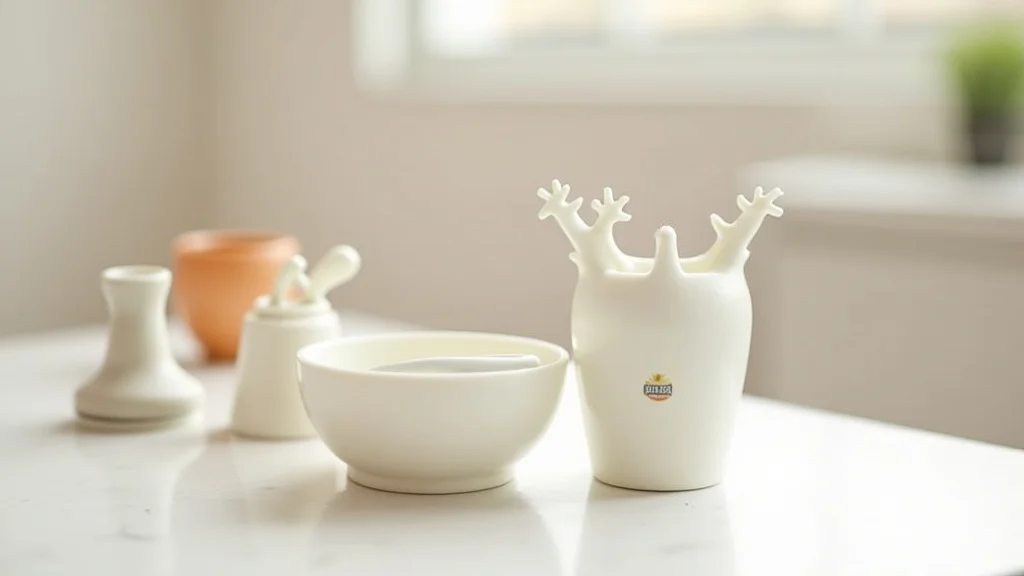
Picture this: It’s mealtime with your little one, and the highchair, the floor, and sometimes even you, are covered in food. The struggle is real! Choosing the right feeding set can make a huge difference, transforming chaotic mealtimes into more manageable and enjoyable experiences. This guide is all about the pandaear silicone baby feeding set and why it’s a popular choice for parents. You’ll discover the benefits of silicone, learn about the different components, and get tips for easy cleaning and safe usage. Get ready to simplify feeding time and gain peace of mind by exploring this comprehensive guide on the pandaear silicone baby feeding set!
Key Takeaways
- Learn about the advantages of silicone material in baby feeding products.
- Discover the essential components typically included in a pandaear silicone feeding set.
- Understand the safety features and certifications associated with these sets.
- Find practical tips for cleaning and maintaining your pandaear silicone baby feeding set.
- Explore how these sets can support your baby’s development.
- Gain insights on how to choose the right pandaear silicone baby feeding set for your baby.
Why Choose Silicone for Baby Feeding?
Choosing the right materials for your baby’s feeding essentials is critical. Silicone has emerged as a top choice for several excellent reasons. It’s safe, durable, and provides a lot of flexibility for parents and little ones. We’ll explore why silicone is such a great option for the things your baby uses every day.
Safety First: Benefits of Silicone
Safety is the primary consideration when it comes to baby products. Silicone is a synthetic polymer derived from silica (sand), making it a non-toxic material. Unlike some plastics, silicone does not contain BPA, phthalates, or other harmful chemicals that can leach into food or drinks. This is a big win for parents concerned about their child’s health. It also won’t react with food or drinks, meaning no weird tastes or smells.
- Non-Toxic: Silicone is made of safe materials.
- BPA-Free: There are no worries about harmful chemicals.
- Odorless and Tasteless: It won’t affect your baby’s food.
- Hypoallergenic: Silicone is generally safe for babies with allergies.
- Heat-Resistant: It can withstand high temperatures, making it safe for dishwashers and microwaves.
Silicone’s resilience to high temperatures is another significant advantage. It can be safely used in microwaves, dishwashers, and sterilizers without degrading. This heat resistance makes sterilization simple, which is very helpful for baby products. It also won’t break down or release chemicals when exposed to heat, ensuring that your baby’s food and drinks stay safe.
Durability and Longevity
Baby gear takes a beating! Silicone is known for its durability. It is tear-resistant and can endure repeated use and washing without breaking down. This makes silicone feeding sets a long-lasting investment. They are more likely to last through your baby’s feeding stages compared to plastic alternatives that may crack or chip.
- Tear-Resistant: Can endure being pulled and tugged.
- Long-lasting: Stays in good condition through repeated use.
- Cost-Effective: Reduces the need to constantly replace items.
- Flexible: Its pliability helps with easy storage and handling.
The flexibility of silicone adds to its durability. Silicone products won’t become brittle, and they can withstand drops and impacts much better than hard plastic or glass items. This flexibility also makes silicone items easier to store. You can compress them without fear of them breaking. This can be great when packing a diaper bag or trying to save space in cabinets.
Ease of Cleaning
Let’s face it: cleaning up after a baby can be a challenge. Silicone makes this easier. Its non-porous surface prevents the build-up of bacteria, making it much easier to clean. Food residue doesn’t stick as much as with other materials. The smooth surface resists stains and odors.
- Non-Stick: Makes cleanup simpler.
- Dishwasher Safe: Easy to clean thoroughly.
- Stain-Resistant: Doesn’t absorb food colors.
- Odor-Resistant: No lingering smells after washing.
The non-stick quality of silicone is a game-changer when it comes to washing up. Food simply slides right off, so there’s less scrubbing needed. Most silicone feeding sets are dishwasher safe, saving you time and effort. The dishwasher’s heat ensures complete sterilization.
Essential Components of a Pandaear Silicone Baby Feeding Set
A typical pandaear silicone baby feeding set includes a variety of items to help make mealtimes less of a hassle. Each part is carefully made to ensure both safety and functionality. Let’s explore what you will find in one of these sets and why each item is important.
The Silicone Bowl
Silicone bowls are a cornerstone of any good baby feeding set. They are designed for convenience and safety. They often feature a suction base to stick to the table, preventing spills and messes. The soft, flexible material is gentle on gums and makes it easy to scoop food.
- Suction Base: Prevents bowls from sliding around and being thrown.
- Soft Material: Gentle on gums and teeth.
- Durable: Can withstand drops and daily use.
- Easy to Clean: Non-stick and dishwasher safe.
The suction base is a great feature, particularly when babies are just learning to eat independently. It can help reduce frustration for both the baby and the caregiver. The soft silicone material also prevents the bowl from chipping or cracking if dropped, making it a safer choice than other materials.
The Silicone Plate
Just like the bowl, silicone plates offer many benefits. They can also have a suction base, which is very helpful in stopping spills. They are often divided into sections to help portion food, making it easier to serve a balanced meal. The flexible nature of silicone means these plates are less likely to break or cause injury.
- Suction Base: Keeps the plate in place.
- Divided Sections: Helps with portion control.
- Durable and Safe: Won’t break or shatter.
- Easy to Clean: Dishwasher-safe for convenience.
Divided plates are especially good for introducing new foods. They let you offer different food groups without everything mixing together. The sections can help babies learn what each type of food is and how to eat it. The safety and ease of use of silicone plates make them a popular choice for parents.
The Silicone Spoon and Fork
Silicone spoons and forks are a staple in many baby feeding sets. These are specifically made to be soft and gentle on a baby’s developing gums. The flexibility of silicone allows the spoon to bend easily and reduces the risk of injury. These utensils are usually small and easy for little hands to hold, supporting the development of self-feeding skills.
- Soft and Gentle: Safe for sensitive gums.
- Ergonomic Design: Easy for little hands to grasp.
- Flexible: Helps with scooping and reduces injuries.
- Hygienic: Easy to clean and sterilize.
The ergonomic design of silicone spoons and forks is key for self-feeding. The shape and size are often designed to help babies grasp them easily. This will encourage independence during mealtimes. The easy-to-clean nature is a plus for parents. It keeps feeding tools hygienic.
The Silicone Bib
Silicone bibs are a smart addition to any feeding set. They are simple to clean, which is great for messy eaters! The bibs have a pocket at the bottom, which catches food and liquid that might spill. They are adjustable and soft, ensuring that they fit comfortably and safely.
- Catch-All Pocket: Prevents food from reaching clothes.
- Easy to Clean: Wipeable and dishwasher safe.
- Adjustable: Fits different neck sizes.
- Durable and Flexible: Can be rolled up for storage.
The catch-all pocket is a standout feature, reducing the amount of laundry and making cleanup faster. The adjustable design makes sure the bib fits your baby properly as they grow. The flexibility of the silicone makes it easy to store and transport. You can simply roll it up for storage or when traveling.
The Silicone Cup
As babies grow, they learn to drink from cups. A silicone cup is a safe choice, as it’s soft, durable, and won’t shatter if dropped. The cups are often designed with easy-to-grip handles and lids to prevent spills. Silicone cups encourage independence and can help babies learn to drink without help.
- Soft and Safe: No sharp edges to worry about.
- Easy to Grip: Encourages independence.
- Durable: Long-lasting and can withstand being dropped.
- Easy to Clean: Dishwasher safe.
The soft material and ergonomic design make these cups easy for babies to handle. The spill-resistant lids help to minimize messes as they are learning. Silicone cups make a smooth transition from bottle feeding to independent drinking.
Safety Features and Certifications
When choosing a pandaear silicone baby feeding set, safety is top of mind. Many manufacturers have taken steps to ensure their products are safe. Checking for certifications and knowing the features will make you feel confident in your decision.
Certifications to Look For
Certain certifications tell you that the product meets specific safety standards. These certifications ensure the silicone used is safe and doesn’t contain any harmful chemicals. Always look for these certifications.
- FDA Approved: Ensures the product meets food-grade standards set by the Food and Drug Administration.
- BPA-Free Certification: Confirms that the product does not contain Bisphenol A.
- CPSIA Compliance: Ensures the product complies with the Consumer Product Safety Improvement Act, which sets safety standards for children’s products.
FDA approval is a reliable indicator that the materials are suitable for food contact. BPA-free certification helps to avoid exposure to potential endocrine disruptors. CPSIA compliance indicates that the product has undergone rigorous testing. This is a great indicator for product safety.
Additional Safety Considerations
Besides certifications, you can look for other safety measures. These features are designed to enhance safety during use. They provide extra protection and peace of mind.
- Non-Slip Bases: Prevents spills and reduces the risk of accidents.
- Rounded Edges: Reduces the risk of injury.
- Proper Sizing: Prevents choking hazards.
- Easy-to-Clean Design: Reduces the chance of bacterial growth.
Non-slip bases are particularly helpful when babies start self-feeding. The rounded edges make the products safer, which is crucial for preventing injuries. The correct sizing is important to stop choking hazards. Cleaning the product frequently is important to reduce the risk of germs.
Testing and Quality Control
Reputable brands use rigorous testing and quality control processes. This is to ensure their products meet safety standards. They check the product throughout production to make sure the final product is safe.
- Material Testing: Verifies the purity and safety of the silicone.
- Production Inspections: Checks the manufacturing process.
- Final Product Testing: Verifies the product’s safety and functionality.
Material testing involves checking the silicone to ensure there are no harmful chemicals. Regular inspections are done during manufacturing. These checks will prevent any defects from making it to the final product. Final product testing ensures the finished items are safe and ready for use.
Maintaining and Cleaning Your Pandaear Silicone Baby Feeding Set
Taking care of your pandaear silicone baby feeding set correctly will extend its life and keep it safe for your baby. Silicone is easy to clean, but using the right methods will help you get the best results. Here’s a guide to maintaining and cleaning your feeding set.
Daily Cleaning Routine
Regular cleaning after each use is vital. It eliminates food residue and prevents the growth of bacteria. With silicone, cleaning is simple, and it keeps your baby’s feeding essentials hygienic.
- Rinse Immediately: Rinse each item with warm water right after use to get rid of food residue.
- Wash with Soap and Water: Use a mild dish soap and warm water to wash each piece.
- Rinse Thoroughly: Make sure all soap is removed to prevent any soapy taste or smell.
Rinsing immediately stops food from sticking, making the washing process much easier. A mild soap will effectively remove grease and other substances without harming the material. Always rinse thoroughly to ensure all soap is removed. This guarantees there is no taste or smell when the items are used next.
Deep Cleaning and Sterilization
Deep cleaning and sterilizing your feeding set ensures the items are completely clean. This is extra important, especially when your baby is young. There are several ways to sterilize the silicone, guaranteeing a healthy environment.
- Dishwasher: Most silicone items are dishwasher safe, and the heat aids in sterilization.
- Boiling: Boil the silicone items in water for a few minutes.
- Steam Sterilizer: Steam sterilizers are made to sterilize baby items.
Dishwashers offer an easy way to sterilize; ensure the settings are suitable for baby items. Boiling the items in water for a few minutes also works well. Steam sterilizers are made to sterilize baby products, and they are effective and easy to use.
Tips for Long-lasting Use
Following a few simple steps will help to keep your feeding set in great shape. This also helps it to last through all of the stages of feeding. Proper care helps you to get the most from your products.
- Avoid Sharp Objects: Don’t use sharp objects, which can damage the silicone.
- Store Properly: Store the feeding set in a clean, dry area.
- Inspect Regularly: Regularly examine the items for any signs of damage.
Avoid using knives or other sharp tools, because they can cut or damage the silicone. Storing the set in a dry place will prevent the buildup of mold or mildew. Check the set frequently for damage. Replace any items that are showing wear and tear.
Choosing the Right Pandaear Silicone Baby Feeding Set
Choosing the best pandaear silicone baby feeding set will help to make mealtimes a lot easier. Considering your baby’s age, needs, and your budget will help you to find the ideal set. This will allow your little one to enjoy meal times.
Considering Your Baby’s Age and Stage
Your baby’s age and stage of development are important. They determine which items will be most helpful. From newborn to toddler, a variety of feeding options will suit your needs.
- Newborns: Focus on small, soft spoons for gentle feeding.
- 6+ Months: Look for bowls with suction bases and divided plates.
- 9+ Months: Include cups and utensils that promote self-feeding.
Newborns need spoons that are gentle, while older babies will benefit from items that support independence. As your baby develops, the set that you choose should have features that fit their changing needs. This makes meal times a positive experience.
Essential Features to Look For
Pay attention to the specific features to make sure the set meets your needs. Look for items that will give both comfort and convenience. Consider these things before you make a purchase.
- Suction Base: Prevents spills and messes.
- Ergonomic Design: Offers easy handling for small hands.
- Divided Sections: Make it simple to offer a balanced meal.
- Easy-to-Clean Materials: Make cleanup a breeze.
Suction bases and ergonomic designs will make meal times simpler. Divided sections will allow you to make the meal balanced. Easy-to-clean materials, like silicone, make cleaning quick and easy.
Budget and Value
Setting a budget is vital. It helps you focus on what you need without overspending. Silicone sets vary in price. Take a look at the features and quality. Then decide what fits your budget.
- Compare Prices: Look at a variety of retailers to check for the best deals.
- Consider Sets vs. Individual Items: Sets are sometimes more cost-effective.
- Read Reviews: See what other parents are saying about value.
Comparing prices will allow you to find the best deals. Sets can be more cost-effective than buying individual items. Reading reviews will help you learn about the item’s durability and overall value. This also helps to make an informed buying decision.
Common Myths Debunked
There are a lot of misconceptions about using silicone products. It is important to know the truth. Here are some of the most common myths and the facts.
Myth 1: Silicone is Not Sustainable
Silicone is sometimes mistaken for plastic, which can give rise to the concern about environmental effects. However, silicone has some environmentally friendly aspects that often go unnoticed. Silicone is very durable and can be used for a long time. It helps to decrease waste because products can be used for many years. Many silicone products can be recycled. This lowers their environmental effects.
Myth 2: Silicone is Hard to Clean
Some people think that silicone is difficult to clean, but it’s really the opposite! Silicone is not a porous material, which means it doesn’t absorb food or stains easily. It is also resistant to bacteria growth. You can easily clean it with soap and water, and most silicone feeding sets can go in the dishwasher. This makes cleaning and maintaining them very simple.
Myth 3: Silicone is Unsafe at High Temperatures
Some parents are worried about using silicone in high-temperature environments. Actually, silicone has great heat resistance. It can handle high temperatures without releasing dangerous chemicals. You can use silicone products in the microwave, oven, and dishwasher. Make sure you buy food-grade silicone products to ensure the best safety.
Myth 4: All Silicone Products are the Same Quality
While silicone is a great material, the quality of the product can vary. Not all silicone items are made equally. Some products can have fillers that lower their quality. Always look for products that are made with 100% food-grade silicone. This ensures that they meet high safety standards and won’t contain dangerous chemicals. Examine the product’s certifications and read reviews before buying.
Myth 5: Silicone Doesn’t Last Long
Silicone products are known for their durability. They can withstand daily use and still stay in great shape. Unlike plastics, which may become brittle, silicone remains flexible and is tear-resistant. Silicone feeding sets can last for a long time, saving money in the long run. By following the care guidelines, silicone products can last through your baby’s different stages of growth.
Frequently Asked Questions
Question: Is silicone safe for baby feeding?
Answer: Yes, food-grade silicone is generally considered very safe for baby feeding because it is non-toxic, BPA-free, and doesn’t leach harmful chemicals.
Question: How do I clean silicone baby feeding sets?
Answer: Rinse the items immediately after use, wash with mild soap and warm water, and thoroughly rinse. Most sets are also dishwasher safe.
Question: Can I sterilize silicone baby feeding items?
Answer: Yes, you can sterilize silicone items in a dishwasher, by boiling them in water, or using a steam sterilizer.
Question: What certifications should I look for when buying a silicone feeding set?
Answer: Look for FDA approval, BPA-free certification, and CPSIA compliance to ensure safety.
Question: How long do silicone baby feeding sets last?
Answer: Silicone is durable and can last for a long time with proper care. It can endure multiple washes and uses.
Final Thoughts
Choosing a pandaear silicone baby feeding set is a big step towards making mealtimes easier and safer for your little one. We explored why silicone is an excellent material, going over its safety, durability, and ease of cleaning. We also looked at the essential items included in these sets, like bowls, plates, spoons, and bibs. We also discussed how to keep these sets clean and safe for your baby. This will ensure they last and offer you great value. Now, you can find a feeding set that suits your baby’s needs and makes feeding fun. Go explore the available options. Enjoy those precious moments with your baby!