
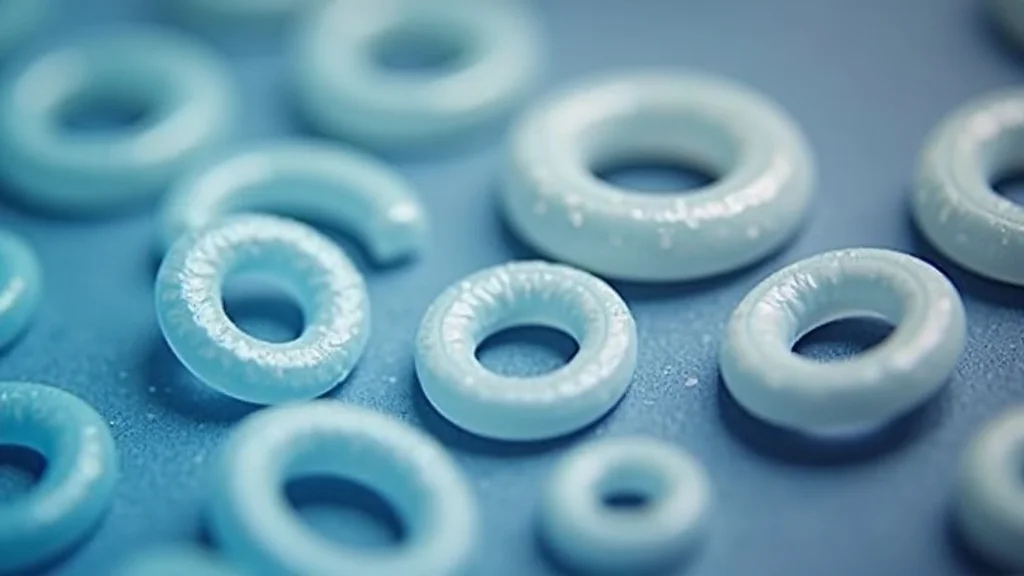
Ever wondered what keeps your morning smoothie from leaking all over your kitchen counter? Chances are, it’s a silicone o ring food grade! These little rings are everywhere, from your coffee maker to your baby’s feeding bottles. They’re essential for creating airtight seals, but choosing the right ones is important for safety. This guide helps you explore what makes silicone o rings food grade safe and effective, ensuring you can confidently select the best option for your needs. You’ll learn the key factors to consider, the benefits, and how to identify quality products, so you can prevent leaks and protect yourself and your family. Prepare to become an expert in food-safe sealing!
Key Takeaways
- Understand the importance of choosing food-grade silicone o rings.
- Learn the specific qualities that make silicone suitable for food contact.
- Identify the common applications where these o rings are used.
- Discover the benefits of using silicone over other materials.
- Know how to choose and maintain food-grade silicone o rings.
- Grasp the regulations and certifications that ensure safety.
The Fundamentals of Silicone and Food Safety
Silicone is a polymer, a long chain of repeating molecular units. Unlike many plastics, silicone is made from silicon, an element abundant in sand. This difference is what gives silicone unique properties. For instance, its flexibility, temperature resistance, and resistance to chemicals make it an ideal material for a variety of uses, especially those involving food. Choosing the correct type ensures that no harmful chemicals leach into your food or drinks. This is especially important, and not every silicone product is created equal. The manufacturing process and the additives used can greatly impact whether a product is suitable for food contact or not.
What Makes Silicone Food Grade?
Food-grade silicone refers to silicone that is specifically manufactured to meet the rigorous standards for food safety. The main factor is the absence of harmful chemicals like phthalates, BPA, and latex, which can contaminate food. The manufacturing of food-grade silicone involves using high-quality raw materials and strict quality control measures. This includes multiple stages of testing to ensure the finished product is safe. For example, it needs to pass tests that show it is non-reactive and does not interact with food. This makes it an inert material. This is why you often see it used in products such as spatulas, baking molds, and of course, silicone o rings food grade.
- Chemical Inertness: Food-grade silicone does not react with food or beverages, preventing the transfer of unwanted flavors or chemicals.
- Temperature Resistance: It can withstand a wide range of temperatures, from freezing to high baking temperatures, without degrading or releasing harmful substances.
- Non-Toxicity: It is free from harmful chemicals like BPA, phthalates, and latex, ensuring that it is safe for contact with food.
- Flexibility and Durability: It maintains its shape and seal integrity through repeated use and exposure to different conditions.
- Odorless and Tasteless: It does not impart any taste or odor to the food or beverage, maintaining the natural flavors.
Consider the scenario of a leaky water bottle. A silicone o ring food grade prevents spills, while a non-food-grade ring might introduce harmful chemicals into your drink. Choosing the right material ensures safety and prevents nasty surprises.
How Food-Grade Silicone is Tested
The safety of silicone o rings food grade is backed by testing. Multiple tests are run to make sure the rings are safe to use. These tests verify the material’s inertness, which means it doesn’t react with food, and ensure it’s free of harmful chemicals. Many of these tests are done in a lab to verify standards. This type of testing is often a requirement for any product that will come into contact with food. Many different governing bodies conduct these tests, and the certifications serve as proof that the product is safe.
- Migration Testing: This tests that ensures no harmful substances migrate from the silicone into the food.
- Temperature Resistance Tests: These check how the silicone behaves under different temperatures to ensure it remains stable.
- Chemical Resistance Tests: This tests how well it holds up when exposed to different substances.
- Visual Inspection: This helps identify any defects or imperfections in the product that could affect its performance or safety.
- Mechanical Property Tests: Tests are also conducted to assess the flexibility, durability, and sealing capabilities.
These tests are conducted by independent laboratories. They ensure that the silicone o rings food grade meet all the safety standards.
Applications for Silicone O Rings in Food-Related Products
Silicone o rings food grade are important to a variety of products used in contact with food. They can be found in a range of appliances and items you use every day. From kitchen utensils to food storage containers, these rings offer a reliable seal. These applications show how important these rings are to our daily lives. They are important for hygiene and safety.
Common Uses in Kitchen Appliances
In your kitchen, you can find silicone o rings food grade in many appliances. These rings ensure that equipment operates safely and efficiently. Coffee makers, blenders, and pressure cookers often use silicone o rings to create airtight seals, preventing leaks. The high-temperature resistance of silicone is especially helpful in appliances that generate heat. These rings must withstand repeated use and exposure to heat, moisture, and cleaning agents. The durability of the material and its ability to withstand constant wear and tear make it perfect for these applications. This ensures that the appliances perform correctly.
- Coffee Machines: Seals in the brewing chamber and water tank prevent leaks and maintain pressure for optimal coffee extraction.
- Blenders and Juicers: Seals on the blade assembly prevent liquids from escaping, making these appliances safe to use.
- Pressure Cookers: Seals the lid to maintain high pressure, which is critical for the cooking process.
- Food Processors: Seals used around the blades and mixing bowls prevent food from getting into the machine’s inner workings.
- Water Coolers: O rings are also used to create a leak-proof seal.
Imagine the frustration of a leaky blender. With a silicone o ring food grade, you don’t have to worry about cleaning up a mess. That small ring makes a big difference.
Uses in Food Storage and Containers
Besides appliances, these rings also play a part in food storage. They’re often found in containers designed to keep food fresh. These rings make these containers airtight. This keeps food fresher for longer. They are critical to preventing contamination, from preserving leftovers to transporting snacks. The flexibility of silicone allows it to seal tightly against different surfaces. These rings are also easy to clean, making them perfect for reuse.
- Food Storage Containers: Seals on lids create airtight seals that keeps food fresh and prevents spills.
- Water Bottles: Seals on caps to prevent leakage, especially when the bottle is carried around.
- Baby Bottles: Seals around nipples and caps create airtight and leak-proof seals to prevent formula or breast milk from leaking.
- Reusable Food Bags: Seals on the opening to create an airtight seal.
For example, if you take your lunch in a container, a silicone o ring food grade ensures your food stays fresh and your bag stays clean.
Uses in Other Food-Related Products
Silicone o rings food grade aren’t just limited to appliances and storage. They’re also used in many other food-related products. They are often found in drink dispensers and soda machines, ensuring that liquids do not leak. The material’s durability and ability to handle temperature changes make it a versatile choice. The use of food-grade silicone helps ensure the safety and hygiene of the products. They help maintain the quality and safety of beverages.
- Drink Dispensers: Seals around the spouts and dispensing mechanisms help keep drinks contained and hygienic.
- Soda Machines: Seals within the machine components prevent leaks and maintain carbonation.
- Food-Grade Tubing: They are used in tubing for transferring liquids.
- Medical and Laboratory Equipment: Silicone is used in equipment for accurate measurements and safe use.
These applications underscore the importance of these rings in daily life. Their versatility ensures the performance and the safety of various food products.
Benefits of Silicone O Rings in Food Applications
The choice of silicone o rings food grade over other materials is backed by many benefits. From safety to performance, silicone offers key advantages in food-related applications. These benefits are backed by the material’s unique properties. These properties ensure that your food remains safe and your appliances and containers function correctly.
Superior Sealing Properties
One of the main benefits of these rings is their sealing ability. Silicone’s flexibility allows it to conform to irregular surfaces. This creates a tight seal. This is especially important in applications where airtight conditions are required. Silicone can also handle extreme temperatures. It will still maintain its sealing ability in both hot and cold conditions. The superior sealing properties help prevent leaks and maintain the integrity of food products.
- Flexibility: Silicone conforms to different shapes, creating an airtight seal.
- Durability: These rings are resistant to wear and tear, maintaining their seal over time.
- Temperature Resistance: Maintains its sealing properties across wide temperature ranges.
- Chemical Resistance: Resists degradation from food products and cleaning agents.
Consider a scenario where you’re using a container to store soup. A silicone o ring food grade prevents spills, and you can transport your meal without issue.
Durability and Longevity
Silicone is known for its durability. This helps to extend the life of these rings, reducing the need for frequent
- Resistance to Wear: Withstands friction and repeated use without significant wear.
- Resistance to Cracking: Maintains structural integrity and resists cracking over time.
- Resistance to Degradation: Doesn’t break down or degrade when exposed to food and cleaning agents.
- Reduced Maintenance: Lower need for replacement helps reduce costs.
Imagine your coffee maker, with a silicone o ring food grade that lasts for years. This is a testament to its durability.
Health and Safety Advantages
Using silicone o rings food grade also has benefits for your health and safety. These rings do not contain harmful chemicals. This reduces the risk of contamination. Silicone is inert. This means it doesn’t react with food or drinks, which prevents the transfer of harmful substances. This is especially important for protecting young children. Using food-grade silicone helps to ensure that food stays safe for consumption. It promotes the health of everyone.
- Non-Toxic: Free from BPA, phthalates, and other harmful chemicals.
- Odorless and Tasteless: Maintains the natural flavors of food.
- Hygienic: Non-porous surface that doesn’t support bacterial growth.
- Safe for Various Food Types: Suitable for use with a wide range of foods and beverages.
The health and safety of using silicone o rings food grade are clear. It’s a key factor to consider when choosing food products.
Choosing and Maintaining Silicone O Rings
Choosing and maintaining silicone o rings food grade will ensure you get the best performance and safety. Selecting the correct type, size, and material is important for optimal function. Proper care is also key. Regular cleaning and correct storage practices extend the life of the rings and keep them safe for use. You will be able to take advantage of all the benefits by following these simple steps.
How to Select the Right O Ring
Choosing the right o ring is essential for ensuring a proper seal. Consider the size, material, and food safety standards. Measure the groove where the ring will sit to determine the right size. Verify that the product is food grade by looking for certifications. Always purchase from trusted sources. You should also consider the temperature and the type of fluids it will come in contact with. This information ensures that the ring will perform as expected and maintain its safety standards.
- Size Measurement: Measure the groove accurately to determine the right diameter and thickness.
- Material Certification: Ensure the ring meets the right food-grade standards and certifications.
- Temperature Requirements: Select a ring that can withstand the range of temperatures it will experience.
- Fluid Compatibility: Choose a ring material that is not affected by the food or liquids it will seal.
Imagine you’re replacing the silicone o ring food grade on your blender. Ensure you buy the right size. This will ensure that your blender functions correctly.
Cleaning and Care Tips
Keeping silicone o rings food grade clean is important for safety and longevity. Rinse the rings after each use with warm, soapy water. Avoid abrasive cleaners or harsh chemicals, as they can degrade the material. You can often safely clean the rings in a dishwasher. Thoroughly dry the rings before storage to prevent mold. Regular maintenance extends the life of the rings. It ensures that they will provide safe performance for a long time.
- Regular Washing: Wash frequently with warm, soapy water.
- Avoid Harsh Chemicals: Do not use abrasive cleaners or strong chemicals.
- Dishwasher Safe: Many are dishwasher-safe, providing extra convenience.
- Proper Storage: Store in a cool, dry place away from direct sunlight.
For example, if you clean your water bottle’s silicone o ring food grade after each use, you prevent a build-up of bacteria.
Storage and Replacement Guidelines
Proper storage is important to keep the o rings in good condition. Store these rings in a cool, dry place away from direct sunlight and extreme temperatures. These conditions can degrade the silicone. Inspect the rings for any signs of damage like cracks or hardening. If you observe any of these problems, replace them right away. Regular inspections and timely replacements will ensure that the seal continues to function and prevent any safety concerns.
- Store in a cool, dry place.
- Inspect regularly for damage.
- Replace if any damage is found.
- Keep a supply of replacements on hand.
Imagine you are preparing to seal a food container. If you find the silicone o ring food grade is damaged, replace it immediately.
Regulations and Certifications for Food Grade Silicone
Silicone o rings food grade must meet rigorous regulations and certifications. These standards provide assurance that the products are safe for use. The regulatory bodies, along with the certifications, help to verify the quality and safety of these products. These certifications ensure that consumers can trust the products they are using. They offer a strong guarantee of safety.
Key Regulatory Bodies
Several key regulatory bodies establish and oversee the standards for food-grade silicone. These agencies have different roles, but they all work to ensure that food contact materials are safe. Compliance with these regulations is essential for manufacturers. They are essential for protecting the health of the consumers. Following are some of the main regulatory bodies:
- FDA (Food and Drug Administration): In the United States, the FDA is responsible for establishing and enforcing regulations for materials used in contact with food. They ensure the safety of silicone materials.
- EFSA (European Food Safety Authority): EFSA in Europe sets standards for food safety. It assesses the safety of substances, including silicone, used in food-related applications.
- NSF (National Sanitation Foundation): NSF International certifies products. They test and verify that they meet specific standards for food equipment and materials.
- Other National Agencies: Many other countries have their own agencies with similar goals. These agencies ensure consumer safety.
These agencies make sure that silicone o rings food grade meet all safety standards.
Common Certifications to Look For
Certifications offer evidence of a product’s compliance with safety standards. They are often marked on the product. Consumers should look for these certifications to ensure their purchases are safe. Here are the most common certifications to look for when buying silicone o rings food grade:
- FDA Compliance: Products should state that they meet FDA regulations. This shows they are safe for food contact.
- NSF Certification: NSF certified products are tested to ensure that they are safe and can perform as promised.
- EU Food Contact Regulations: Products made for the European market must comply with strict guidelines. These are indicated with symbols.
- BPA-Free Certification: This certification shows the product doesn’t have BPA, which is an important health consideration.
When you see these certifications, you can be sure your silicone o rings food grade are safe.
Common Myths Debunked
Myth 1: Silicone Releases Chemicals When Heated
Some people think that silicone releases chemicals when heated. The reality is that food-grade silicone is designed to withstand high temperatures without releasing harmful substances. The quality of silicone must be high to pass the testing to meet regulations. If the silicone o rings food grade are manufactured with high standards, they’ll remain stable and safe for use, even at elevated temperatures. Always look for products that are certified to be food-grade to ensure that they are safe.
Myth 2: All Silicone is Food Grade
This is a common misconception. Not all silicone products are suitable for food contact. The term “silicone” alone does not guarantee safety. The manufacturing process and the additives used determine whether the product is food grade. Products labeled as food-grade have undergone specific testing and are manufactured under strict standards. Only use silicone o rings food grade for food applications.
Myth 3: Silicone Is Not Durable
Some people think that silicone isn’t durable. However, silicone o rings food grade are designed for long-term use. High-quality silicone is flexible and can handle extreme temperatures and resist wear and tear. It maintains its sealing properties and shape over time. Regular cleaning and care can extend the life of these rings, reducing the need for replacements.
Myth 4: Silicone Imparts Flavors to Food
The myth that silicone imparts flavors to food is generally not true. High-quality, food-grade silicone is odorless and tasteless. The material won’t alter the flavor of the food. It won’t affect the beverages either. If you experience a strange taste or smell, it could be a sign of a lower-quality product or improper cleaning. So, when used properly, silicone o rings food grade will not affect the taste of your food.
Myth 5: All Silicone is the Same
The reality is that there is a range of silicone products. While all silicone is made from the same base material, the manufacturing process, the additives, and the intended use of the products can vary greatly. The quality of these products varies. Silicone o rings food grade are specifically formulated and tested to meet standards for food contact. They are different from those designed for industrial or non-food purposes.
Frequently Asked Questions
Question: Are silicone o rings microwave-safe?
Answer: Yes, most food-grade silicone o rings are microwave-safe, but always check the manufacturer’s instructions. They should not melt or release harmful chemicals.
Question: Can I use silicone o rings in the oven?
Answer: Yes, food-grade silicone o rings can be used in the oven. They can withstand high baking temperatures without degrading.
Question: How do I remove a silicone o ring from an appliance?
Answer: Gently pry the ring out of its groove using a non-sharp tool. Avoid damaging the ring or the appliance.
Question: How often should I replace silicone o rings?
Answer: Replace o rings when they show signs of damage. Regular replacement is the best way to ensure proper function.
Question: Can I use dish soap to clean silicone o rings?
Answer: Yes, dish soap is safe to use. Rinse the rings thoroughly to remove any soap residue.
Final Thoughts
Choosing silicone o rings food grade is a crucial decision for your health and safety. The ability of the material to create airtight seals, along with its durability, makes it an essential component of many food-related products. From kitchen appliances to food storage containers, these rings play a critical role in preventing leaks and maintaining freshness. By exploring the unique properties of silicone, including its resistance to temperature and chemicals, you can make informed choices. Ensure you select food-grade products that meet the necessary regulatory standards and certifications. Remember to regularly inspect and properly maintain your rings. Doing so extends their life. It also maintains their ability to ensure safe and effective performance. Equip yourself with the knowledge to make smart choices. You will feel confident when purchasing products that will come in contact with your food.