
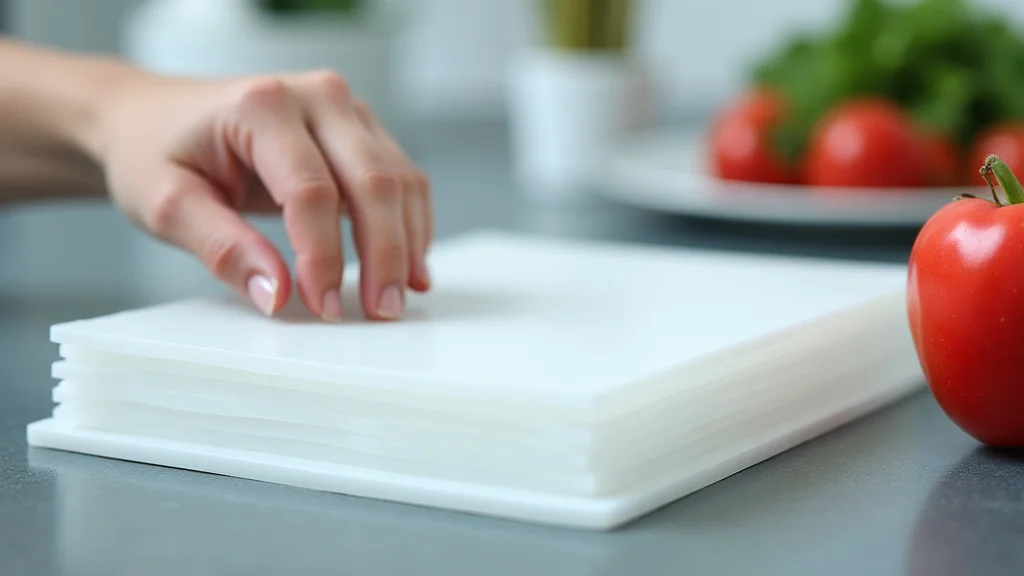
Picture this: you’re in the kitchen, prepping dinner, and your favorite baking sheet is covered in stubborn, burnt-on food. You scrub and scrub, but it’s a never-ending battle. Wouldn’t it be great if there was a simple solution? Enter the food grade silicone sheet, a game-changer for anyone who loves cooking and baking! This guide will explore everything you need to know about these versatile sheets. You’ll discover how they work, the advantages they offer, and how they can simplify your life in the kitchen. By the end, you’ll be ready to transform your culinary experience and avoid those frustrating cleanup sessions, enhancing your kitchen experience. Let’s explore the ins and outs, so you can make informed decisions when you need a food grade silicone sheet.
Key Takeaways
- Food grade silicone sheets offer a non-stick surface, making cooking and baking easier.
- They are incredibly versatile and can be used for a wide range of culinary applications.
- These sheets are a healthier alternative to traditional baking methods.
- Food grade silicone sheets are easy to clean and maintain, saving time and effort.
- They are durable and can withstand extreme temperatures, ensuring longevity.
- Understanding the benefits helps you make better decisions in your kitchen.
Understanding Food Grade Silicone Sheets
Food grade silicone sheets are revolutionizing kitchens everywhere, providing a versatile and convenient alternative to traditional baking methods. These sheets are made from a specific type of silicone designed for contact with food. This means they are non-toxic, odorless, and do not react with food, making them safe for use in ovens, microwaves, and freezers. They can withstand very high temperatures, making them suitable for baking, roasting, and other cooking processes. They offer a non-stick surface, simplifying cooking and reducing the need for oils or fats. This improves cleanup and can lead to healthier meals. They are a staple in modern kitchens for good reason.
Composition and Properties
The core ingredient of a food grade silicone sheet is silicone, a synthetic polymer made from silicon. Silicon is a naturally occurring element, abundant in sand and quartz. Through a series of chemical processes, the silicon is refined and combined with other elements to form silicone. The silicone used for kitchenware undergoes specific treatments to meet the standards set by organizations. This ensures that the sheets are safe for food contact. The sheets are flexible and durable, remaining stable across a wide temperature range, from freezing to high baking temperatures.
- Non-Stick Surface: This is a primary benefit, allowing food to release easily without sticking.
- Temperature Resistance: These sheets can withstand temperatures from -40°F to 480°F (-40°C to 250°C), making them usable in ovens, microwaves, and freezers.
- Flexibility: The material is flexible, making it easy to handle and store.
- Durability: High-quality silicone sheets are made to last, withstanding regular use without degrading.
These properties provide an effective solution for various culinary applications, promoting ease of use and long-term durability in the kitchen. For example, a home baker can prepare delicate pastries, such as macarons, with ease. The non-stick surface will help to prevent the macarons from breaking or sticking to the pan. Clean-up is also easier due to the non-stick properties, saving time and effort. You can also roast vegetables directly on the sheet, without the need for parchment paper.
Types of Food Grade Silicone Sheets
Several types of food grade silicone sheets are available, each with unique features. These variations cater to various cooking needs and preferences. The basic sheets are versatile and suitable for most general baking and cooking tasks. Textured sheets, on the other hand, may have raised patterns or grids, often used for improving airflow, promoting even baking or acting as a slip-resistant surface. Perforated sheets feature small holes that facilitate heat and moisture transfer. They are ideal for baking items like cookies or bread, because the holes help to create a crispy texture. These various types of sheets reflect how versatile food grade silicone can be.
- Solid Sheets: These are the most common type, ideal for general baking and cooking.
- Textured Sheets: Feature patterns like grids or raised surfaces for enhanced grip or better airflow.
- Perforated Sheets: Contain small holes to improve heat circulation, best for baking bread or cookies.
- Colored Sheets: Some sheets come in various colors, which can add a bit of fun to your cooking experience.
You might be baking a large batch of cookies. Solid sheets provide a non-stick surface, while textured sheets can help lift your cookies. Perforated sheets will promote even baking and give your cookies a perfect texture. Each type offers specific advantages. Choosing the right type depends on your specific needs and what you are planning to cook. For example, solid sheets are excellent for rolling dough or creating even surfaces.
Advantages of Using Food Grade Silicone Sheets
The benefits of using food grade silicone sheets go beyond just the convenience of non-stick surfaces. They provide significant advantages in terms of health, cost-effectiveness, and sustainability. They are a valuable tool in any kitchen, offering a range of benefits. From making cooking easier to contributing to a healthier lifestyle, these sheets provide significant advantages. This is why more and more people are turning to them in their kitchens.
Health Benefits
One of the top benefits of using food grade silicone sheets is the improved health benefits they offer. Because they are non-stick, you can reduce or eliminate the need for oils, fats, and cooking sprays. This results in fewer calories and less fat in your meals. They are also made from a non-reactive material. Unlike some traditional bakeware that can potentially leach chemicals into food, silicone sheets do not react with food. This makes them a safer choice for both you and your family. For people with allergies or sensitivities, they are a great alternative to other options. They are also easy to clean, which helps with hygiene and reduces the risk of bacterial contamination.
- Reduced Fat Usage: The non-stick surface minimizes the need for cooking oils and fats.
- Non-Reactive Material: Silicone doesn’t react with food, ensuring no chemicals are transferred during cooking.
- Easy Cleaning: Helps in maintaining kitchen hygiene and reduces the risk of contamination.
- Odorless and Tasteless: Silicone sheets do not transfer any taste or odor to your food.
Consider the difference when baking chicken. Using a silicone sheet means you can skip the oil. This leads to fewer calories and a healthier meal. The easy cleaning aspect means you’ll have less bacteria in the kitchen. The food’s original flavors stay intact. The silicone sheets do not transfer any taste or smell. They are a good option for people focused on both their health and what they cook. A 2023 study found that replacing traditional baking methods with silicone sheets led to a 15% reduction in fat content in baked goods.
Cost-Effectiveness and Sustainability
Food grade silicone sheets are a cost-effective and environmentally friendly option. While the initial investment might be higher than that of parchment paper, silicone sheets last for years. This makes them more economical in the long run. They are reusable, reducing waste and contributing to a sustainable kitchen. Because they replace disposable products like parchment paper, you can save money while minimizing your environmental footprint. The durability and reusability also mean less consumption and fewer resources are needed to cook. They contribute to a more sustainable and economically friendly cooking process.
- Reusable: Unlike parchment paper, they can be used repeatedly, reducing waste.
- Durable: High-quality sheets can last for years, lowering replacement costs.
- Environmentally Friendly: Reduces the need for disposable cooking supplies.
- Reduced Waste: Minimize waste, helping to keep our environment cleaner.
Imagine baking a batch of cookies once a week. Over time, the cost of parchment paper adds up. A silicone sheet pays for itself because it can be used for years. Think of the environmental impact of not buying disposable paper. The use of a silicone sheet is a choice. You are contributing to a more sustainable lifestyle. It’s a small change with a significant impact, making your kitchen greener and your wallet fuller.
Ease of Use and Versatility
Food grade silicone sheets are incredibly easy to use. Their flexible design makes them easy to place and remove from baking trays. They offer a non-stick surface, which prevents food from sticking. This simplifies cooking and significantly reduces cleanup time. You can use these sheets for many cooking tasks. Whether you’re baking cookies, roasting vegetables, or rolling out dough, they provide a reliable, efficient cooking surface. They also work in the freezer and microwave. Silicone sheets are suitable for many kitchen tasks. The user-friendly nature of silicone sheets makes them popular among both professional chefs and home cooks. These features make them a staple in any kitchen.
- Non-Stick Performance: Simplifies cooking by preventing food from sticking.
- Flexible Design: Makes it easy to handle and store.
- Versatility: Can be used for baking, roasting, and other cooking methods.
- Easy Cleaning: Clean-up is a breeze, reducing time spent on kitchen tasks.
Imagine you’re making a batch of cookies. Place a silicone sheet on your baking tray. The cookies bake evenly, and when they’re done, you can remove the sheet with ease. Cleanup is a quick wipe, instead of scrubbing the tray. You can use the same sheet to roll out dough for a pie. The non-stick surface prevents the dough from sticking. Versatility and ease of use come together with silicone sheets. It’s a convenient solution for many cooking needs.
Choosing the Right Food Grade Silicone Sheet
Selecting the right food grade silicone sheet involves taking several factors into account. Understanding these aspects will help you pick a product. You should consider the size and shape, the thickness and quality of the silicone, and the intended use. Ensuring that the sheet meets your specific cooking needs is an important step. With the right selection, you will improve your cooking and baking experience. The investment in a high-quality sheet offers long-term benefits.
Size and Shape Considerations
Size and shape are important when choosing a food grade silicone sheet. Sheets are available in different sizes, matching standard baking sheets, half-sheet pans, and even custom sizes. Selecting the correct size ensures that the sheet fits your existing bakeware perfectly. The shape of the sheet should also match your intended usage. If you do a lot of baking, a rectangular sheet that covers an entire baking pan might be ideal. For smaller tasks, a half-sheet or even a smaller size might suffice. Always consider the dimensions of your oven and the pans you typically use to ensure that the silicone sheet fits correctly. This helps in terms of even cooking and ease of handling.
- Standard Sizes: Consider the size of your baking pans, such as full sheet, half sheet, or quarter sheet.
- Shape: Choose the shape that best suits your needs, such as rectangular or circular.
- Custom Sizes: For unique pans or specialized needs, custom sizes may be available.
Let’s consider two scenarios. You’re a home baker who often prepares cookies. A half-sheet size is probably the best, as it fits most standard baking trays. If you make pizza at home, you may want a circular silicone sheet. Choose a sheet that aligns with your typical cooking and baking style. If you have many different types of pans, consider getting a few different sizes of silicone sheets.
Thickness and Quality
The thickness and quality of a food grade silicone sheet directly impact its performance and durability. A thicker sheet usually offers better heat distribution and is less likely to warp or wrinkle. High-quality silicone sheets are made from premium materials. They should be free from fillers or additives that can affect their performance. High-quality sheets typically have a higher temperature resistance and can withstand more use over time. Check for certifications, like FDA approval. These certifications ensure the product’s safety and reliability. A good-quality silicone sheet offers a longer lifespan and better cooking performance.
- Thickness: Thicker sheets generally provide better heat distribution and durability.
- Material Quality: Look for sheets made from 100% food grade silicone without fillers.
- Certifications: Ensure the sheet is certified by organizations, confirming its safety.
- Construction: The manufacturing process will affect the quality and performance.
If you bake often, choose a thicker, high-quality silicone sheet. This will distribute heat evenly and resist warping. If you are preparing delicate desserts, ensure the sheet is made of premium silicone. The best sheets should be able to withstand the heat without affecting the quality of your food. Checking for certifications and reviews can help you identify a quality product. Quality is important for a better cooking experience.
Intended Use and Applications
The intended use of a food grade silicone sheet influences the type of sheet you should choose. If you primarily bake, a solid or lightly textured sheet would be a good choice. For baking cookies or bread, a perforated sheet can enhance airflow and improve browning. If you plan to use it for rolling dough, consider a sheet with a non-slip surface. Consider where you will cook when choosing. Ensure the sheet can withstand the high temperatures you might use in the oven. For freezer applications, ensure that the sheet is designed for those low temperatures. These considerations will help you make the best choice and offer the best results for your cooking needs.
- Baking: Choose solid or textured sheets for general baking, and perforated sheets for better air circulation.
- Roasting: Solid sheets are suitable for roasting vegetables or meats.
- Rolling Dough: A sheet with a non-slip surface will make this easier.
- Freezing: Ensure the sheet is freezer-safe for storing foods.
If you’re a bread maker, choose a perforated sheet to promote even baking and a crispy crust. If you’re roasting vegetables, a solid sheet will provide a non-stick surface, improving cleanup. If you plan to freeze foods, ensure the sheet is freezer-safe. Consider the many uses when picking a silicone sheet. It will enable you to find a solution that best fits your needs.
Maintaining and Cleaning Food Grade Silicone Sheets
Proper care and cleaning are essential for extending the life of your food grade silicone sheet and maintaining its performance. The good news is, these sheets are very simple to clean and maintain. Following some basic guidelines will help keep your sheets in top shape, ready for your next culinary adventure. From cleaning tips to storage advice, keeping your sheets in top condition is easy.
Cleaning Tips and Techniques
Cleaning food grade silicone sheets is generally simple. Most sheets can be cleaned by hand with warm water and soap. You can also place most sheets in a dishwasher. Avoid using abrasive cleaners or scrubbing pads, as they can damage the surface of the sheet. For stubborn food residue, soak the sheet in warm, soapy water. Then use a soft sponge or cloth to wipe it clean. When cleaning, ensure all soap is removed to prevent it from affecting future cooking sessions. With proper care, your sheets will remain in good condition.
- Hand Washing: Use warm, soapy water and a soft cloth or sponge.
- Dishwasher Safe: Most sheets are dishwasher safe for easy cleaning.
- Stubborn Residue: Soak in warm, soapy water to loosen stuck-on food.
- Avoid Abrasives: Do not use abrasive cleaners or scrubbing pads.
If you’ve baked cookies and find some of the batter has stuck, soak the sheet in warm, soapy water for a few minutes. Then, with a soft sponge, gently remove the residue. Ensure the sheet is completely dry before storing it. Regular care will help keep your sheets in excellent condition. This means you will get many years of use out of them.
Storage and Care
Proper storage is essential to maintain the quality and longevity of your food grade silicone sheet. When not in use, you can roll or lay the sheets flat for storage. Rolling them is a great way to save space in your kitchen. Avoid folding them sharply. This can create creases that may affect their performance over time. Keep them away from sharp objects. These could scratch or cut the surface. Storing your sheets correctly will keep them in great condition. With proper care, your silicone sheets will be ready to serve you well. Consider the storage space you have to keep them safe and organized.
- Rolling: Roll the sheets for space-saving storage.
- Flat Storage: Lay them flat in a drawer or cabinet.
- Avoid Folding: Sharp folding can cause creases.
- Keep Away from Sharp Objects: This prevents scratches and damage.
If you’re short on space, roll the sheets and store them in a drawer. Ensure they are not squished or pressed. If you have plenty of room, you can lay them flat in a cabinet. This prevents them from wrinkling or deforming. Always keep your sheets away from knives or other sharp tools. With a little care, your silicone sheets will remain ready for the next time you need them.
Common Myths Debunked
Frequently Asked Questions
Question: Are food grade silicone sheets safe?
Answer: Yes, they are generally considered safe because they are made from non-toxic materials designed for contact with food.
Question: Can I use silicone sheets in the microwave?
Answer: Yes, silicone sheets are typically microwave-safe.
Question: Can I cut on a silicone sheet?
Answer: It’s best to avoid cutting directly on a silicone sheet. Use a cutting board to prevent damage.
Question: How do I remove stubborn stains from my sheet?
Answer: Soak the sheet in a mixture of baking soda and water to help lift stains and odors.
Question: How do I know if my sheet is food grade?
Answer: Look for certifications like FDA approval and check the product’s description. The packaging should indicate whether it is food grade.
Final Thoughts
Food grade silicone sheets provide a unique combination of versatility, health benefits, and ease of use. They can improve your cooking and baking experience, reducing the need for unhealthy oils, and simplifying cleanup. By understanding their composition, advantages, and maintenance requirements, you can make the most of your investment. From reducing the use of oil to simplifying cleanup, these sheets are invaluable. Consider adding these sheets to your kitchen to experience their benefits. They are a game-changer for people of any skill level, encouraging a fun and healthier cooking experience. They will elevate the way you cook.