
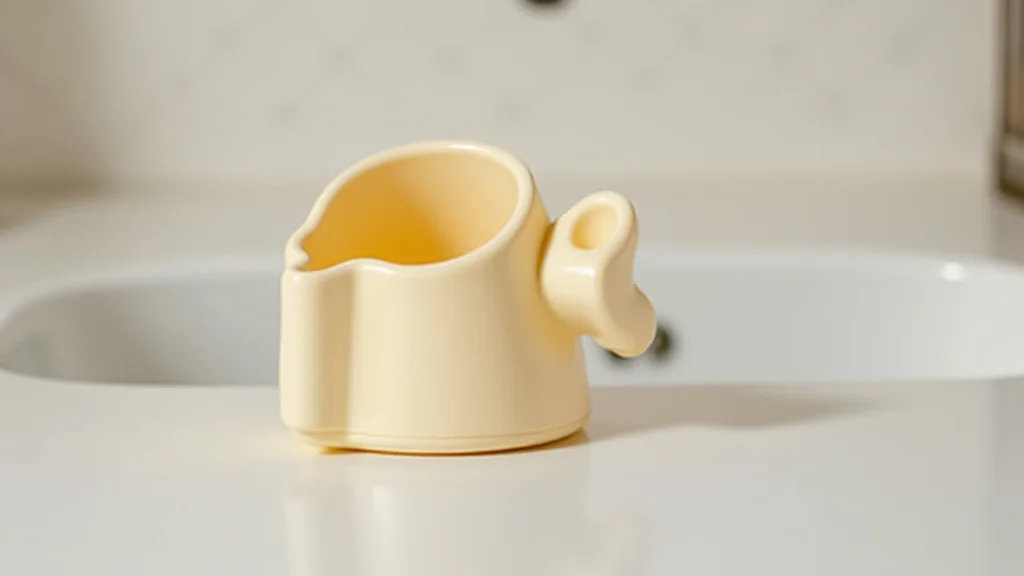
Picture this: you’re a new parent, exhausted but overjoyed, staring down at your little one. Mealtime rolls around, and you’re faced with a mountain of decisions. What’s the best way to feed your baby? The answer often starts with the right tools. That’s where a silicone baby feeding set comes in. This guide will explore everything you need to know about these sets, providing valuable insights to help make feeding time smoother and safer. You’ll gain a deeper appreciation for the materials, features, and benefits, empowering you to make informed choices for your baby. This helps you feel confident and in control when it comes to feeding, ultimately reducing stress and improving your overall experience.
Key Takeaways
- Learn about the safety benefits of using silicone baby feeding sets.
- Discover the key features and components included in a typical set.
- Understand how to choose the right set for your baby’s needs and age.
- Find out the best ways to clean and maintain your silicone feeding set.
- Explore the advantages of silicone over other feeding materials.
- Gain valuable tips for successful mealtimes and preventing feeding challenges.
The Advantages of a Silicone Baby Feeding Set
Choosing the right feeding supplies is a big step for new parents. Safety, convenience, and ease of use are major factors when deciding what’s best for your baby. Silicone baby feeding sets have gained popularity because of their many benefits. They offer a non-toxic, durable, and flexible feeding solution. They’re designed to be gentle on babies, making them a great option for introducing solids or simply making bottle-feeding easier. Let’s explore why silicone is a popular choice for baby feeding sets.
Safety and Non-Toxicity
Safety is the most important thing for anything that touches your baby’s food. Silicone, a synthetic polymer, is made primarily from silica (sand). It’s known for being non-toxic, hypoallergenic, and free from harmful chemicals like BPA, phthalates, and latex. These chemicals have been linked to health problems and are best avoided in baby products. The food-grade silicone used in baby feeding sets doesn’t leach chemicals into food, even when exposed to high heat. This means you can confidently use them in the microwave, dishwasher, or sterilizer without worry. This makes mealtimes safe and gives parents peace of mind.
- BPA-Free: BPA (Bisphenol A) is a chemical used in some plastics. It can be a concern because it can seep into food and drinks, potentially disrupting hormones. Silicone is naturally BPA-free, providing a safer alternative.
- Phthalate-Free: Phthalates are another group of chemicals used to make plastics more flexible. Like BPA, they can leach into food and drinks. Silicone feeding sets are phthalate-free, ensuring your baby isn’t exposed to these chemicals.
- Latex-Free: Some babies have allergies or sensitivities to latex. Silicone is latex-free, reducing the risk of allergic reactions.
- Non-Toxic Materials: Silicone is generally considered inert, which means it doesn’t react with food or release harmful substances. This makes it a great choice for baby feeding products.
A study published in the Journal of Pediatric Gastroenterology and Nutrition showed that using BPA-free feeding products significantly reduced the levels of BPA in infants’ urine. This highlights the importance of choosing safer materials like silicone for your baby’s feeding needs.
Durability and Flexibility
Babies can be rough on their feeding gear, dropping things, chewing on them, or throwing them. Silicone is tough. It is very durable and can withstand regular use and cleaning. Its flexibility means it won’t easily break or crack, making it a good choice for active babies. Silicone items often last longer than plastic ones, reducing the need for frequent replacements. This durability makes it a practical option for parents. The flexibility of silicone also makes the sets easy for babies to handle and use. They often have designs that promote self-feeding, making mealtimes easier for both parent and child.
- Resistance to Temperature: Silicone can handle a wide range of temperatures, from freezing to boiling. This means you can safely heat or cool food in silicone containers and easily sterilize them.
- Long-lasting: Silicone products are designed to withstand regular use and washing. This durability means you won’t need to
- Flexible and Bendable: The flexibility of silicone is helpful for self-feeding. Flexible plates and bowls are less likely to break when dropped. They also make it easier for babies to scoop up food.
- Chew-Proof: Unlike some plastic feeding items, silicone is less likely to be damaged when a baby chews on it.
Ease of Cleaning and Maintenance
Cleaning baby gear needs to be easy and effective. Silicone is non-porous. This means it doesn’t absorb liquids or harbor bacteria. This makes it simple to clean. You can wash silicone feeding items by hand with warm water and soap, or you can put them in the dishwasher. They are also safe to sterilize in boiling water, a sterilizer, or even the microwave. Proper cleaning is important for keeping your baby healthy and happy. Since silicone resists staining, it remains sanitary and looks nice, even after repeated use. This convenience helps simplify your daily routine.
- Dishwasher Safe: Most silicone baby feeding sets are safe to put in the dishwasher. This convenience saves time and effort for busy parents.
- Easy to Wash by Hand: The non-porous surface of silicone makes it easy to clean by hand. Food residue washes off easily with soap and water.
- Resists Staining and Odors: Silicone doesn’t stain or absorb food odors like some other materials. This helps your feeding items stay fresh and clean.
- Sterilizable: Silicone can withstand high temperatures, allowing you to sterilize feeding items in boiling water or a sterilizer. This ensures they are free of germs.
Components of a Silicone Baby Feeding Set
A typical silicone baby feeding set includes several items designed to meet your baby’s needs at different stages of development. The specific contents may vary, but common items are designed with safety, practicality, and convenience in mind. Understanding the purpose of each component will help you get the most out of your set.
Bowls and Plates
Bowls and plates are essential for introducing your baby to solid foods. Silicone bowls and plates usually have a non-slip base, preventing them from sliding around on the table. Many come with suction bottoms that secure them to the surface, reducing spills and messes. They are available in various sizes and shapes, with some designed to be divided into sections to separate different food types. This also makes it easy for parents to control portions. Bowls and plates are typically designed with rounded edges to make scooping easier for babies as they start feeding themselves. The non-slip feature makes mealtimes easier and creates a more positive experience.
- Non-Slip Base: A non-slip base keeps the bowl or plate stable on the table, reducing spills.
- Suction Bottoms: Some bowls and plates have suction bottoms that stick to the table, preventing your baby from knocking them over.
- Divided Sections: Plates with divided sections help you separate different types of food, making it easier for babies to explore new tastes.
- Rounded Edges: Rounded edges on bowls and plates make it easier for babies to scoop up food.
Spoons and Forks
Silicone spoons and forks are designed to be gentle on your baby’s gums and developing teeth. The soft material is less likely to cause irritation compared to metal or hard plastic utensils. Many sets include both a feeding spoon (for the parent) and a self-feeding spoon (for the baby). The feeding spoon usually has a longer handle for easy reach. Self-feeding spoons often have a shorter handle and a wider, easier-to-grip design for small hands. Silicone utensils are also heat-resistant, making them safe to use with warm foods. They promote independent eating and help develop fine motor skills. Silicone spoons and forks are a good choice to help your baby explore different textures.
- Soft and Flexible: Silicone spoons and forks are gentle on your baby’s gums and teeth.
- Ergonomic Design: Many spoons and forks have ergonomic handles that are easy for small hands to grip.
- Heat-Resistant: Silicone utensils can handle warm food without warping or releasing harmful chemicals.
- Promotes Self-Feeding: Self-feeding spoons encourage your baby to try to feed themselves, which helps develop fine motor skills.
Bibs
Silicone bibs are another must-have item. They are designed to catch spills and dribbles, protecting your baby’s clothes and saving you time on laundry. Silicone bibs typically have a deep pocket at the bottom to catch dropped food. They are easy to wipe clean or rinse under running water, which simplifies cleanup after meals. Many come with adjustable closures to ensure a secure and comfortable fit as your baby grows. Bibs can be easily rolled up for storage. Silicone bibs are a simple way to make feeding time less messy and more enjoyable.
- Food Catching Pocket: A pocket catches spilled food, keeping your baby and the surrounding area clean.
- Easy to Clean: Silicone bibs are easy to wipe down or rinse, saving you time and effort.
- Adjustable Closure: Adjustable closures allow you to adjust the bib to fit your baby comfortably as they grow.
- Durable and Flexible: Silicone bibs are durable and can withstand regular use.
Cups
As babies grow and start drinking from cups, silicone cups are a great choice. They’re often designed with features like easy-grip handles and a weighted bottom to make drinking easier and reduce spills. They are made from soft, flexible silicone that’s gentle on your baby’s mouth and gums. Some cups include a lid and straw, which helps teach babies how to drink from a straw. Silicone cups are easy to clean and can be used for both warm and cold liquids. These cups are good choices for transitioning your baby from bottles to regular cups. They help develop their coordination and independence.
- Easy-Grip Handles: Handles make it easier for your baby to hold and control the cup.
- Weighted Bottom: A weighted bottom helps prevent spills.
- Soft and Gentle: The soft silicone is gentle on your baby’s mouth and teeth.
- Lid and Straw Options: Some cups come with a lid and straw, which helps your baby practice drinking from a straw and prevent spills.
Choosing the Right Silicone Baby Feeding Set
Selecting the correct silicone baby feeding set depends on your baby’s age and stage of development. There are sets specifically made for newborns, while others are better suited for babies starting solid foods. You should also consider features like durability, ease of cleaning, and safety. Thinking about these factors will help you make a good decision, making mealtimes easier and more enjoyable for both you and your baby.
Age and Stage of Development
The feeding set that’s perfect for a six-month-old is different from the set needed for a toddler. Babies starting solids need bowls, plates, and spoons designed for introducing new foods. As babies grow, they may need larger bowls and plates. Self-feeding spoons and forks help encourage independence. Consider your baby’s developmental stage when choosing your set. If you are starting your baby on solids, you’ll want to focus on bowls, plates, and spoons designed for scooping. If your baby is already experienced with solids and learning to drink from a cup, you’ll need a set that focuses on those skills. This ensures that you have the tools needed at the right time.
- Newborns (0-6 Months): For newborns, you may not need a full feeding set. Bottle nipples and bottle brushes are a good starting point.
- Starting Solids (6-9 Months): Look for bowls, plates, and spoons with features like suction bottoms, divided sections, and ergonomic handles.
- Toddlers (10+ Months): Focus on sets that promote self-feeding. Look for cups, plates with a section, and utensils designed for small hands.
- Self-Feeding Skills: As your baby gets older and wants to feed themselves, consider a set with a cup, bib, and utensils to facilitate self-feeding skills.
Features to Consider
Several features can impact the functionality of your feeding set. Suction bottoms on bowls and plates prevent spills. Dishwasher and microwave safe components save you time. Ergonomic designs for spoons and forks help your baby with self-feeding. Before buying, check the set to make sure it includes the components you need most. This will help you select the best set for your specific needs. Sets that have been designed with your baby in mind can make mealtimes easier and more pleasant.
- Suction Base: Prevents bowls and plates from sliding or being thrown.
- Dishwasher and Microwave Safe: Makes it easy to clean and heat food.
- Ergonomic Design: Utensils that fit comfortably in little hands.
- Non-Slip Grip: Helps with handling bowls, plates, and cups, making them less likely to slip.
Safety Certifications and Materials
Safety certifications and the materials used are important when choosing a baby feeding set. Look for products made from food-grade silicone. Check for certifications from reputable organizations. This shows that the product has gone through safety testing. Products that are BPA-free, phthalate-free, and latex-free are also a must. Read reviews from other parents to see what they say about the quality and safety of the set. Selecting a safe set provides reassurance and keeps your baby healthy. This helps you choose a high-quality set that is both safe and effective.
Many silicone baby feeding sets will include safety certifications such as the following:
| Certification | What It Means |
|---|---|
| FDA Approved | The product meets the standards set by the Food and Drug Administration. |
| LFGB Certified | This certification means the product meets German regulations for food contact materials, which are known to be quite strict. |
| BPA-Free | The product doesn’t contain BPA (Bisphenol A), a chemical that can affect hormones. |
| Phthalate-Free | The product doesn’t contain phthalates, which can cause health issues. |
Cleaning and Maintaining Your Silicone Baby Feeding Set
Keeping your silicone baby feeding set clean is important for your baby’s health. The good news is that silicone is quite easy to clean. Following the cleaning guidelines will help keep your feeding set in good condition. By implementing these practices, you can ensure that your baby’s feeding items remain hygienic and ready for each meal.
Daily Cleaning Routine
A basic daily cleaning routine will keep your feeding items clean. Wash items by hand after each use, using warm soapy water and a soft sponge or cloth. Pay attention to any crevices or small spaces where food might get stuck. Rinse thoroughly. This helps get rid of food residue and bacteria. A daily cleaning routine is a simple, effective step to ensure your baby’s feeding items remain sanitary and ready for each meal. Make cleaning a habit, and you can keep mealtimes safe and enjoyable.
- Wash After Each Use: Wash all feeding items immediately after each meal. This keeps food from drying and sticking.
- Use Warm Soapy Water: Use warm water and mild dish soap. This removes food residue.
- Rinse Thoroughly: Rinse each item under running water to remove all soap residue.
- Dry Properly: Air dry or pat the items dry with a clean towel.
Sterilizing Your Set
Sterilizing your silicone feeding set is a great way to eliminate germs and bacteria. Silicone can withstand high temperatures, making it safe to sterilize in various ways. You can boil the items in water for a few minutes or use a steam sterilizer. Another option is a microwave sterilizer, which uses steam to kill germs. When sterilizing, follow the manufacturer’s instructions. Sterilizing is a simple step you can add to your routine to make sure that everything is clean and germ-free. This extra step provides added peace of mind, especially when your baby is more susceptible to germs.
- Boiling: Place the silicone items in boiling water for 5 minutes.
- Steam Sterilizer: Use a steam sterilizer following the manufacturer’s instructions.
- Microwave Sterilizer: Use a microwave sterilizer for convenient sanitizing.
- Read Instructions: Always follow the manufacturer’s guidelines for sterilization.
Preventing Stains and Odors
Silicone is usually stain-resistant, but food can sometimes leave marks or odors. If stains do appear, try a baking soda paste to gently scrub the item. Let the item soak in a mixture of water and vinegar. Vinegar is a natural cleaner that can also remove odors. Be sure to rinse thoroughly after using either of these. If odors persist, you can try these options. Taking steps to prevent stains and odors helps keep your feeding set in good condition. This makes sure it is clean and ready for your next meal.
- Baking Soda Paste: Make a paste of baking soda and water to gently scrub off stains.
- Vinegar Soak: Soak the items in a mixture of water and vinegar to remove odors.
- Rinse Well: Rinse the items thoroughly after using any cleaning agents.
- Proper Storage: Store the items in a clean, dry place to prevent the growth of bacteria.
Silicone vs. Other Materials for Baby Feeding
When selecting a silicone baby feeding set, it’s helpful to compare silicone with other materials commonly used for baby feeding products. Understanding the differences will help you make an informed decision based on your priorities. Each material has its advantages and disadvantages. This understanding will help you choose the option that best suits your needs.
Silicone vs. Plastic
Silicone and plastic are both popular materials for baby feeding items. However, they have key differences. Plastic is often cheaper but can contain harmful chemicals like BPA and phthalates. Even plastics labeled as “BPA-free” can leach chemicals. Silicone is generally safer because it’s non-toxic, hypoallergenic, and free of these chemicals. Silicone is also more durable and can withstand higher temperatures. It’s often more flexible and easier to clean. While plastic is lightweight, silicone offers greater safety and durability. For a safer feeding option, silicone often is the better choice.
| Feature | Silicone | Plastic |
|---|---|---|
| Safety | Generally considered safe, non-toxic, and free of harmful chemicals. | May contain BPA and phthalates, and can leach chemicals. |
| Durability | Durable, flexible, and can withstand high temperatures. | Can crack, break, and may not be as heat resistant. |
| Cleaning | Easy to clean, non-porous, and dishwasher-safe. | Can be more difficult to clean and may stain. |
| Cost | Can be more expensive than plastic. | Typically more affordable. |
Silicone vs. Glass
Glass is another material used in baby feeding, particularly for bottles. Glass is non-toxic and doesn’t leach chemicals. It is heat-resistant and easy to clean. However, glass is breakable. Glass is heavier than silicone and might not be the best option for babies learning to self-feed. Silicone is less likely to break, making it more kid-friendly and safe for little ones. Silicone is also more flexible, making it easier for babies to handle. While glass offers great hygiene, silicone provides a safer, more durable option.
- Non-Toxicity: Both silicone and glass are non-toxic, ensuring that no harmful chemicals leach into your baby’s food.
- Durability: Silicone is much more durable and less likely to break than glass, making it safer for babies to use.
- Weight: Silicone is lighter than glass, making it easier for babies to handle.
- Heat Resistance: Both materials are heat-resistant, so they can be used with warm foods.
Silicone vs. Stainless Steel
Stainless steel is sometimes used for baby feeding items. It is durable, rust-resistant, and doesn’t leach chemicals. It’s generally considered safe. However, stainless steel can dent, and it may not be as easy for babies to handle as silicone. It can also get hot when filled with warm food. Silicone is flexible and offers better insulation, keeping food warm for longer and preventing burns. Silicone is often favored for its softness, flexibility, and the ease with which it can be held by little hands. Silicone is usually a better choice for younger babies.
A recent study found that silicone products released significantly fewer microplastics compared to their stainless steel counterparts. This suggests a potential environmental benefit of choosing silicone over stainless steel.
Addressing Common Challenges and Tips for Success
Feeding your baby is not always smooth. There may be many challenges. Understanding these challenges and learning how to fix them can help. Silicone baby feeding sets can make mealtimes easier. They also make you feel more confident about feeding your baby. These tips will help you navigate common issues and ensure a more positive feeding experience for both you and your baby.
Dealing with Spills and Messes
Spills and messes are common during baby feeding. To lessen the impact of spills, use a silicone bib with a pocket. A bib catches food before it falls on the floor or your baby’s clothes. Plates and bowls with suction bases stick to the table and stop spills. This helps prevent items from being knocked over. Having a mat under your baby’s high chair is also helpful. These strategies can lessen the mess and make cleanup easier. These strategies make the feeding experience easier and less stressful for you.
- Use a Silicone Bib: A bib with a deep pocket catches food and prevents messes.
- Choose Suction-Based Bowls and Plates: These items attach to the table, reducing spills.
- Use a Splat Mat: Place a mat under the high chair to catch dropped food.
- Clean as You Go: Wipe up spills immediately to prevent them from spreading.
Introducing New Foods and Textures
Introducing new foods and textures is an important part of your baby’s development. Silicone spoons with soft tips are great for introducing solid foods. They are gentle on your baby’s gums. Start with purees and gradually introduce thicker textures. Try one new food at a time to check for allergies. Be patient. Your baby might take time to accept new flavors and textures. Offer a variety of foods to promote healthy eating habits. Introducing a diverse range of foods early on sets the stage for a healthy relationship with food. This makes mealtimes enjoyable.
- Start with Purees: Begin with smooth purees like fruits and vegetables.
- Introduce One New Food at a Time: Watch for allergic reactions.
- Be Patient: It may take several tries before your baby accepts a new food.
- Offer a Variety of Textures: Gradually introduce thicker textures.
Handling Refusal to Eat
There may be times when your baby refuses to eat. Never force your baby to eat. This can create negative associations with mealtimes. Create a calm environment and offer a variety of foods. Allow your baby to explore the food with their hands. Let your baby eat at their own pace. If the problem continues, speak to your pediatrician to rule out any medical issues. Stay positive and make mealtimes as enjoyable as possible. A positive approach helps foster a healthy relationship with food. This reduces mealtime stress.
- Don’t Force Feed: Allow your baby to eat at their own pace.
- Create a Positive Environment: Keep mealtime calm and relaxed.
- Offer Variety: Provide a range of food options.
- Consult Your Pediatrician: If the refusal to eat is persistent, seek medical advice.
Common Myths Debunked
Myth 1: All Silicone is the Same
Not all silicone is created equal. Some products use lower-quality silicone that may contain additives or fillers. While food-grade silicone is generally safe, it’s always best to choose products made with 100% food-grade silicone, free from fillers. Always check the product description and look for certifications from reputable organizations. This shows that the product meets safety and quality standards.
Myth 2: Silicone Stains Easily
While some foods can leave temporary marks on silicone, it is generally stain-resistant. Properly cleaning your silicone feeding items after each use can help prevent stains. If stains do appear, baking soda or a vinegar soak can often remove them. Make sure to choose high-quality silicone products. Silicone’s non-porous nature makes it resistant to stains and odors.
Myth 3: Silicone is Always Expensive
While high-quality silicone products can be more expensive than some alternatives, prices have become more affordable. You can find sets that fit your budget. When you consider the durability and long-term value, silicone often provides a cost-effective solution. Shopping around and comparing prices will help you get a great deal. Prioritize the quality of materials and features that meet your baby’s needs and your preferences.
Myth 4: Silicone Needs to Be Replaced Frequently
Silicone is a long-lasting material that can withstand frequent use and cleaning. You typically won’t need to replace your silicone feeding set as often as you would other materials. Proper care and maintenance, such as proper cleaning and storing, will extend the life of your products. Investing in high-quality silicone products can be a budget-friendly decision. It’s also good for the environment because you won’t be replacing the products as often.
Myth 5: Silicone Doesn’t Biodegrade
Silicone is not biodegradable in the traditional sense. It doesn’t break down quickly in a landfill. However, high-quality silicone is very durable and long-lasting. Silicone’s long lifespan reduces the frequency of replacement. Choose durable, high-quality silicone products. They can last for years and contribute to waste reduction. Always follow local guidelines when disposing of silicone products.
Frequently Asked Questions
Question: Are silicone baby feeding sets safe for the microwave?
Answer: Yes, most silicone baby feeding sets are safe for the microwave. Always check the manufacturer’s instructions to confirm. Make sure the silicone is food-grade and free of harmful chemicals.
Question: How do I clean my silicone baby feeding set?
Answer: Wash your silicone items by hand with warm, soapy water after each use. You can also put them in the dishwasher. Be sure to rinse thoroughly to remove all soap residue.
Question: Can I sterilize my silicone feeding set?
Answer: Yes, silicone can be sterilized. You can boil the items in water for a few minutes. You can also use a steam sterilizer or a microwave sterilizer.
Question: What should I look for when buying a silicone baby feeding set?
Answer: Look for food-grade silicone, BPA-free, phthalate-free, and latex-free products. Consider the age and stage of your baby and the specific features you need, such as suction bases and ergonomic handles.
Question: How do I remove stains from silicone feeding items?
Answer: Try making a paste of baking soda and water to gently scrub the item. You can also soak the item in a mixture of water and vinegar. Rinse thoroughly after cleaning.
Final Thoughts
Choosing the right feeding supplies can make a huge difference in the lives of new parents. Silicone baby feeding sets offer safety, convenience, and peace of mind. They’re made from non-toxic materials, making them a great choice for your baby’s health. With their durability, ease of cleaning, and flexibility, they simplify mealtimes and save you time. As your baby grows and develops, you’ll appreciate how the sets adapt to meet their changing needs. By understanding the components, the cleaning requirements, and the advantages of silicone, you can make informed choices. This knowledge can give you the confidence to start your baby’s feeding journey. This will make your mealtimes less stressful and more enjoyable. Enjoy the journey of raising your little one!