
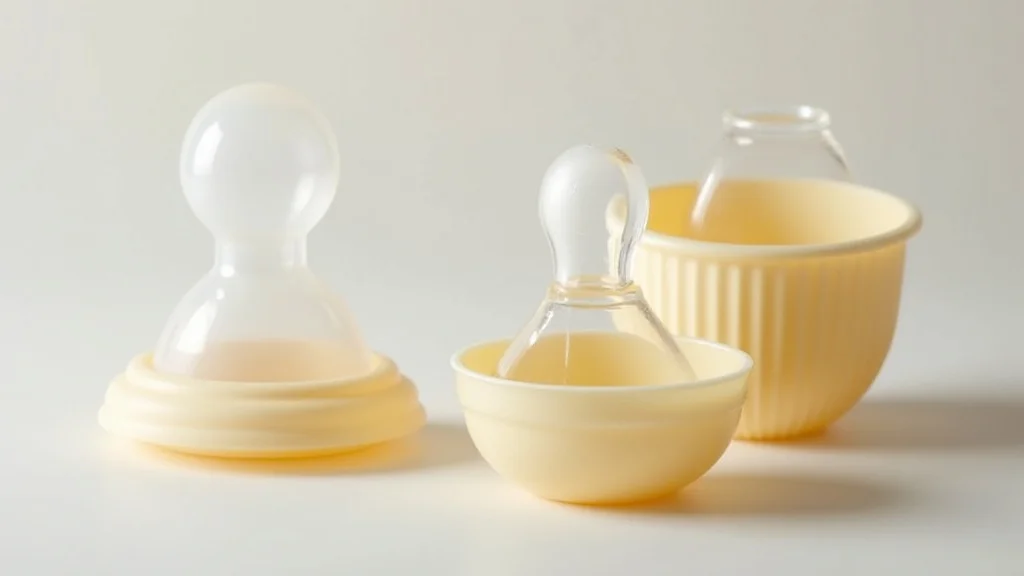
Picture this: you’re a new parent, exhausted but overjoyed, and your little one is ready for their first meal. The options seem endless! One thing that can help ease the stress is having the right tools. That’s where silicone feeding sets come in. They’re designed to make mealtime easier, safer, and more fun for both you and your baby. This guide will explore everything you need to know about these essential items. You’ll learn the benefits, the features, and what to look for when choosing the perfect silicone feeding sets for your precious baby. You’ll gain the knowledge to make informed decisions, ensuring a positive feeding experience, and you’ll discover how these sets can save you time and reduce your stress.
Key Takeaways
- Understand the numerous advantages of silicone feeding sets for babies.
- Learn about the safety standards and materials to look for.
- Discover the different types of silicone feeding set components available.
- Gain tips on how to properly clean and maintain silicone feeding sets.
- Find out how to choose the right set based on your baby’s age and needs.
- Explore which accessories might improve your baby’s feeding journey.
The Advantages of Using Silicone Feeding Sets
One of the top reasons parents prefer silicone feeding sets is their inherent safety. Silicone, particularly food-grade silicone, is free from harmful chemicals like BPA, phthalates, and latex. These chemicals have raised health concerns, especially for infants. Silicone’s inert nature means it won’t leach chemicals into the food, providing peace of mind. Furthermore, silicone is naturally hypoallergenic, reducing the chance of allergic reactions, which is a big plus, given that babies can have sensitive skin and digestive systems.
Another major benefit is durability. Unlike plastic, which can crack or break easily, silicone is incredibly resilient. This durability is valuable, especially when you consider the inevitable drops and bumps during mealtime. This makes them a more cost-effective option because they last longer. Finally, silicone offers superior heat resistance, able to withstand high temperatures from the microwave or dishwasher. This makes them convenient to use.
Safety Features of Silicone Feeding Sets
Safety is the primary focus when producing products for babies. Silicone feeding sets are designed with various features to ensure a safe feeding experience. Many sets include a non-slip base on bowls and plates. These bases help to prevent the items from sliding around the table, reducing the chances of spills and messes. This is particularly helpful when babies are learning to self-feed. Suction bases stick firmly to surfaces, minimizing the chance of the baby accidentally knocking the plate off of the table.
Furthermore, many silicone feeding sets incorporate rounded edges on spoons and forks. These rounded edges help reduce the risk of injury. Sets are often designed with easy-to-grip handles that are ideally sized for little hands. These handles help babies develop their fine motor skills while promoting self-feeding. Materials such as silicone are also very gentle on a baby’s gums and developing teeth, which is a major advantage during teething.
- Non-Slip Bases: Preventing spills and messes to make mealtime less stressful for parents.
- Rounded Edges: Ensuring safety and preventing injuries when using utensils.
- Easy-Grip Handles: Encouraging self-feeding while developing fine motor skills.
- Soft and Gentle Materials: Soothing for gums and teeth during teething.
Material Characteristics and Benefits
The type of silicone used in feeding sets is crucial for safety and quality. High-quality silicone is often described as “food-grade,” which means it meets specific standards for safety and purity. It’s free from harmful chemicals. Food-grade silicone is also very flexible and soft, which makes it ideal for baby utensils. The flexibility helps prevent the utensils from being hard on a baby’s gums or the roof of their mouths. It is also durable and can withstand extreme temperatures, making it safe to use in dishwashers, microwaves, and freezers. It is odorless and tasteless, so it won’t affect your baby’s food.
Unlike some plastics, silicone doesn’t react with food and won’t leach any chemicals, making it ideal for baby products. Silicone is also naturally resistant to bacteria and mold, so maintaining hygiene is easier. The material is also easy to clean. Most silicone feeding sets can be easily washed by hand with soap and water or put in the dishwasher. Finally, silicone is a very sustainable material. It lasts a long time and is recyclable, making it an environmentally friendly choice.
- Food-Grade Silicone: Free from harmful chemicals, ensuring safety.
- Flexibility and Softness: Gentle on gums and safe for self-feeding.
- Temperature Resistance: Safe to use in microwaves, dishwashers, and freezers.
- Hygiene and Easy Cleaning: Resistant to bacteria and simple to maintain.
Exploring the Components of Silicone Feeding Sets
Silicone feeding sets come in a variety of configurations. They often include essential items designed to make mealtime easier. The range can be customized to suit different stages of your baby’s development, from early weaning to independent eating. When choosing a set, you’ll find that it makes mealtime simpler.
A typical set will include a bowl. Silicone bowls are typically designed with a non-slip base to minimize spills. They’re also very gentle and safe. Spoons and forks, often with soft tips, are specifically designed to be gentle on delicate gums. Many sets contain a bib, frequently made of silicone, as they are water-resistant and easy to clean. Cups or sippy cups, designed for easy gripping, are included in many sets. The diversity of the sets allows parents to select the items they require, adapting to their child’s requirements.
Bowls and Plates: Shapes, Sizes, and Features
When selecting bowls and plates, shape, size, and features are crucial. The shape should be easy to use. Many sets have bowls with high sides that can help prevent spills when a baby is learning to self-feed. The size is also important; it should be appropriate for the quantity of food the baby eats. Smaller bowls are beneficial for beginners or portion control, while larger bowls can be used as the baby’s appetite increases. Bowls with a non-slip base are a fantastic feature; they grip firmly to the table, reducing the likelihood of messes.
Plates come in various designs. Some are divided into sections, which is useful for introducing different food groups. Divided plates promote portion control and make it easier to offer a balanced diet. Look for plates with a deep rim to help prevent food from sliding off. The colors and designs on plates and bowls often make mealtimes more fun for babies. Some bowls and plates feature suction bases, which securely stick to the table, preventing spills and making mealtime much easier.
- Non-Slip Base: Prevents spills.
- Divided Sections: Supports a balanced diet.
- Deep Rims: Keeps food on the plate.
- Fun Designs: Make mealtimes enjoyable.
Spoons, Forks, and Utensil Designs
Utensil designs are vital for safe and effective feeding. The spoons and forks in a silicone feeding set are specifically designed for babies and are small, with soft, rounded tips. These features prevent any potential injuries to the gums or mouth. Utensil handles are usually easy for tiny hands to grasp, promoting the development of fine motor skills. Some utensils are designed with a flexible tip, allowing the parent to control the amount of food that goes into the baby’s mouth. This is particularly useful for new eaters.
The materials are always safe and non-toxic. They are generally dishwasher safe for easy cleaning. Utensils often come in vibrant colors and appealing designs, making mealtimes more enjoyable for babies. Ergonomic designs are critical. They are shaped to sit comfortably in the hand. The tips are usually flexible, which helps the parents scrape the bowls clean. These features promote independent feeding. The design of the utensils plays a crucial role in ensuring a positive experience for your baby.
- Soft, Rounded Tips: Safe for gums and mouths.
- Easy-Grip Handles: Promote self-feeding.
- Flexible Tips: Parent-controlled portion sizes.
- Dishwasher Safe: Make for simple cleaning.
Cups, Sippy Cups, and Bottle Considerations
Cups, sippy cups, and bottles can be important parts of a silicone feeding set. These components are designed to help with hydration. Sippy cups are excellent for transitioning babies from bottles to open cups, helping them learn to control their drinking. Many sippy cups have spill-proof designs, which are great for reducing messes. Silicone cups are easy to grip. They are often made with soft, flexible materials. These features make it easier for babies to hold the cup.
Bottles, which are often not made of silicone themselves, but may be included in sets, have similar features to silicone sippy cups. The nipples are designed to mimic the natural shape of a mother’s breast. This makes it easier for babies to switch between bottle and breast. The materials used in these components are always safe and non-toxic. They are designed for easy cleaning, including the dishwasher. The variety available helps parents choose the best options. These designs help support the baby’s developing abilities and ease of use.
- Sippy Cups: Aid the transition from bottles to open cups.
- Spill-Proof Designs: Reduces messes.
- Ergonomic Handles: Easy for babies to grip.
- Safe Materials: Non-toxic materials are crucial.
How to Care for and Maintain Silicone Feeding Sets
Proper care and maintenance of your silicone feeding sets are essential for longevity and safety. Regular cleaning is the most important part of maintaining your sets. Thankfully, cleaning silicone items is usually simple. A simple wash with warm, soapy water is often sufficient. Many sets can also be cleaned in the dishwasher, saving you time and effort. It is important to inspect the items before and after each use, ensuring that there are no cracks or signs of wear and tear, which could be a potential safety hazard.
Sterilization methods depend on the specific instructions for each product. Some silicone items are safe to sterilize by boiling them in water or using a steam sterilizer. Storing silicone feeding sets properly is also key. Dry them completely after washing to prevent the buildup of mold or bacteria. Then, store them in a clean, dry place. By adhering to these care tips, you’ll be able to extend the lifespan of your feeding set.
Cleaning and Sterilization Techniques
Cleaning silicone feeding sets regularly is important to prevent the buildup of bacteria. Start with a thorough rinse. Use warm water and mild soap. Many feeding sets can be safely cleaned in a dishwasher, which makes the cleaning process easier. Always check the manufacturer’s instructions before putting them in the dishwasher. Be sure to completely dry the items after washing. Moisture can promote bacterial growth.
Sterilization is another part of keeping your feeding sets clean. Sterilization methods include boiling in water, using a steam sterilizer, or using UV sterilization. Always check that the silicone feeding set is designed to withstand the chosen sterilization method. Boiling, for example, is effective but should only be done if the product can handle the high heat. Steam sterilizers are also effective. Always read the manufacturer’s instructions. UV sterilizers are also an option. Ensure the feeding set is designed to withstand these methods. By following the cleaning and sterilization methods, you are ensuring your baby’s health.
- Wash with Soap and Water: Clean after each use.
- Dishwasher Safe: Many sets can be cleaned in the dishwasher.
- Drying: Thoroughly dry the items after washing to avoid buildup.
- Sterilization Methods: Boiling, steam sterilizers, or UV sterilizers.
Storage and Inspection Tips
Proper storage and inspection of silicone feeding sets increase the items’ longevity and ensure your baby’s safety. Always store the sets in a clean, dry place. Avoid storing them in direct sunlight. Excessive exposure to sunlight can damage the silicone. It’s also wise to store them away from potential hazards, such as sharp objects that could cause damage or tears. Make a habit of inspecting your feeding sets regularly.
Before and after each use, carefully examine each piece for any signs of wear, cracks, or damage. Any cracks or tears can harbor bacteria. Check the items for any discoloration, which could be a sign of the material breaking down. If you notice any damage, discard the item. Silicone is durable, but it can still be damaged over time. Replace worn or damaged items. By following these storage and inspection tips, you can guarantee the set’s longevity. Following this guide ensures the safety of your baby.
- Clean, Dry Place: Storage is key.
- Avoid Sunlight: Direct sun can damage the product.
- Inspect Regularly: Before and after each use.
Selecting the Right Silicone Feeding Sets for Your Baby
Choosing the right silicone feeding sets depends on your baby’s age and stage of development. For newborns and infants, select sets with soft, gentle utensils and smaller bowls. These are suitable for the first few months. As your baby grows, you’ll want to adjust the feeding set to reflect their changing needs. Sets with divided plates or bowls can be useful for portion control as your child begins to eat solids. Make sure the set you select is designed for self-feeding.
Consider the features that meet your specific needs. Some sets feature non-slip bases for the bowls and plates. These prevent messes. Utensils with easy-to-grip handles can help babies develop fine motor skills. Some sets include a bib to catch spills. Prioritize the safety of the materials. Ensure the set is made from food-grade silicone. Always follow the manufacturer’s instructions. By selecting a set tailored to your baby’s stage of development and considering specific features, you can make mealtimes a lot more comfortable.
Feeding Set Recommendations by Age and Stage
Selecting the proper feeding set by age and stage is crucial for ensuring a safe and successful feeding experience. For infants starting on solids (around 6 months), choose a set with a small bowl. The bowl should have a non-slip base. The set should also contain soft-tipped spoons and forks. These items support the introduction of purees and soft foods. At around 9 to 12 months, as the baby is starting to self-feed, consider sets with divided plates and utensils with easy-grip handles. These features encourage independence and portion control.
For toddlers (12 months and older), bigger bowls and plates with deeper rims are very helpful. Utensils with more robust handles are a good option. Many sets include a drinking cup or sippy cup. You will also want to replace utensils that wear out. Your child’s needs will shift as they grow. Always monitor the utensils and bowls. Adjust the feeding set to meet your child’s developmental milestones. Choosing the right set helps improve the entire feeding process.
- 6 Months (Starting Solids): Small bowl with a non-slip base, soft-tipped spoons.
- 9-12 Months (Self-Feeding): Divided plates, easy-grip utensils.
- 12+ Months (Toddlers): Larger bowls, deeper rims, more robust handles.
Evaluating Features and Accessories
The features and accessories of a silicone feeding set play a big part in its usability and usefulness. Non-slip bases are excellent for minimizing spills, keeping the bowl or plate securely on the table as the baby learns to feed themselves. Easy-grip handles on spoons and forks make it easier for the baby to hold the utensils. These handles support fine motor skill development. Divided plates are beneficial. They make it easier to offer a variety of foods in controlled portions. These can assist the parent in balancing the baby’s diet.
Look at the extras. Many sets include a bib to catch spills. Sippy cups and drinking cups encourage hydration. Some sets include food storage containers. This is handy for preparing and storing meals for later. Consider the material and safety standards. Always opt for food-grade silicone, free from harmful chemicals. These accessories may make mealtimes easier and more enjoyable. Think of your baby’s stage of development. The correct features and accessories will help make mealtimes more manageable.
- Non-Slip Bases: Minimize spills.
- Easy-Grip Handles: Supports self-feeding.
- Divided Plates: Portion control.
- Bibs, Cups, and Storage Containers: Extras can be very useful.
Common Myths Debunked
Myth 1: Silicone is Not as Safe as Other Materials
Some parents think silicone isn’t as safe as other materials, such as stainless steel. This idea is incorrect. Food-grade silicone is one of the safest options for baby feeding sets. It’s free from BPA, phthalates, and latex, which are chemicals of concern in some plastics. Silicone is inert and doesn’t leach chemicals into food, even when heated. This makes it a great option. It’s also durable and flexible, ensuring the items are safe.
Myth 2: Silicone is Hard to Clean
A common myth is that silicone is hard to clean. The reality is quite the opposite. Silicone is actually very easy to clean. Most silicone feeding sets can be washed by hand with soap and water or placed in the dishwasher. Silicone is also naturally resistant to bacteria and mold, which makes cleaning even easier. The smooth surface of silicone makes it very simple to wipe clean. Proper cleaning is important, and with silicone, it is a breeze.
Myth 3: All Silicone Products are the Same
The idea that all silicone products are identical is a misunderstanding. The quality of silicone products can vary. There are different grades of silicone. Some silicone products may contain fillers or additives that can affect safety. Look for food-grade silicone, which is specifically designed for use with food. This type meets specific standards for purity and safety. Buying from a reputable brand or manufacturer is essential to ensure that you are receiving a safe and high-quality product.
Myth 4: Silicone is Not Sustainable
Some people think that silicone isn’t sustainable. While silicone is a synthetic material, it has several eco-friendly characteristics. It’s much more durable than plastic, so it lasts longer. This reduces the need for frequent replacements. Silicone is also recyclable. Recycled silicone can be used to make new products, reducing waste. Always check the recycling guidelines for your local area. Compared to single-use plastics, silicone is a better choice.
Myth 5: Silicone Doesn’t Last Long
The belief that silicone doesn’t last long is a misconception. High-quality silicone is actually very durable. It can withstand a wide range of temperatures. It can also handle the wear and tear from daily use. Silicone feeding sets can last for a long time if they are taken care of properly. Proper care includes washing and storing the items correctly. Inspecting them regularly for any damage also helps. The durability of silicone makes it a cost-effective and dependable option.
Frequently Asked Questions
Question: Is silicone safe for babies?
Answer: Yes, food-grade silicone is generally considered safe for babies because it is free of harmful chemicals such as BPA, phthalates, and latex.
Question: How do I clean silicone feeding sets?
Answer: Most silicone feeding sets can be washed by hand with warm water and soap or placed in the dishwasher.
Question: Can I sterilize silicone feeding sets?
Answer: Yes, many silicone feeding sets can be sterilized using various methods. Make sure to check the manufacturer’s instructions. Some sets are safe for boiling, steam sterilizers, or UV sterilizers.
Question: How long do silicone feeding sets last?
Answer: With proper care, silicone feeding sets can last for a long time. The durability of silicone ensures that the products resist wear and tear.
Question: Are there any downsides to using silicone feeding sets?
Answer: While silicone is generally safe, it can sometimes retain odors or stain with certain foods. Ensure you are purchasing high-quality, food-grade silicone products.
Final Thoughts
Choosing the right silicone feeding sets can make all the difference in making mealtime a smooth experience. You’ve explored the safety advantages, from the absence of harmful chemicals to the gentle, resilient nature of the material. By learning about the key components, from bowls to spoons, and understanding how to care for them, you’re well-equipped to use them effectively. Remember to consider your baby’s age and stage of development. You can customize the perfect set for their needs. Always opt for food-grade silicone to guarantee safety and look for features that aid both your baby and you. Keep those utensils clean. Properly storing your silicone items will help extend the product’s lifespan. With the right tools and information, you can focus on enjoying the precious moments of feeding and connecting with your baby. Start your journey today, and make every meal a joy.